Custom Pavers & Hardscapes in Charlotte & Western NC
Transform your outdoor space with stunning paver patios and hardscapes from Carolina Outdoor Designs. Durable, attractive hardscaping solutions for Charlotte and Western NC homeowners.
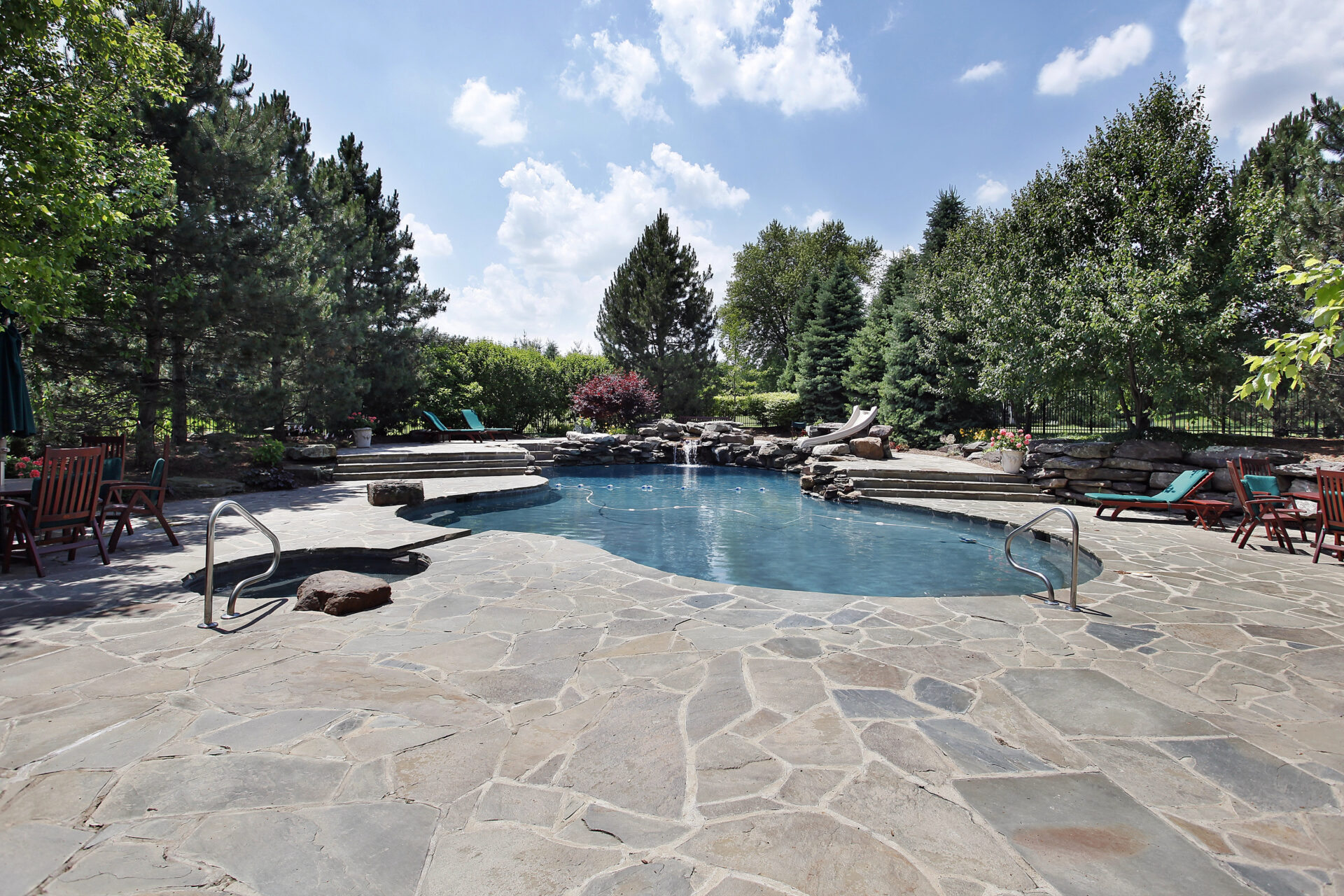
Our custom hardscape patios look far more appealing than plain poured concrete. You’ll get to choose from many layouts, styles, and accents to give your patio a one-of-a-kind appearance. Our skilled installers can also build vertical elements, such as sitting walls, fire pit surrounds, and outdoor kitchen foundations, to give your space a truly cohesive feel. Pavers are incredibly durable, easy to maintain, and can be arranged in countless patterns to create a unique outdoor living area that reflects your personal style.
Why Pavers Outperform Concrete
Homeowners often compare pavers to poured concrete when planning patios, walkways, or driveways. While concrete offers a lower initial cost, pavers provide significant advantages that make them the superior long-term choice. Concrete slabs are prone to cracking as the ground beneath them shifts or settles—and in Charlotte’s clay soil, settling is virtually inevitable. Once concrete cracks, repairs are difficult and rarely blend seamlessly with the original surface. The result is an increasingly unsightly patio that detracts from your home’s appearance.
Pavers, by contrast, are designed to move independently as the ground shifts. This flexibility means that minor ground movement doesn’t cause cracking—individual pavers simply adjust to the new contours. If a paver does become damaged, replacing it is straightforward and the repair is virtually invisible. This repairability extends to utility access as well—if you need to reach underground lines, pavers can be removed and replaced without leaving permanent scars the way cutting through concrete does.
The aesthetic advantages of pavers are equally compelling. Concrete offers limited design options—you can choose the color and finish, but the result is still a monolithic slab. Pavers provide virtually unlimited design possibilities through combinations of colors, sizes, shapes, and laying patterns. You can create borders, bands, and focal points that add visual interest. You can mix materials for contrast or use a single paver style for clean simplicity. This design flexibility allows you to create outdoor spaces that truly reflect your personal style and complement your home’s architecture.
Understanding Paver Materials
The material you choose for your hardscape affects appearance, durability, cost, and maintenance requirements. Each option offers distinct characteristics that make it suitable for different applications and aesthetic preferences.
Concrete Pavers
Concrete pavers represent the most versatile and popular choice for residential hardscaping. Manufactured in controlled conditions, these pavers offer consistent dimensions and quality. Modern manufacturing techniques create pavers with exceptional strength—properly installed concrete pavers can support vehicle traffic and withstand decades of use without deterioration.
The variety available in concrete pavers is remarkable. Colors range from subtle earth tones to bold contemporary hues. Textures vary from smooth and refined to rough and rustic. Shapes include traditional rectangles and squares, but also circles, hexagons, and interlocking designs. Some concrete pavers are manufactured to mimic natural stone, offering the look of expensive materials at a fraction of the cost.
Tumbled concrete pavers provide an aged, weathered appearance that’s particularly popular for traditional or historic home styles. The tumbling process rounds edges and creates subtle surface variations that make new pavers look like they’ve been in place for years. This treatment works beautifully for walkways, courtyards, and patios where an established, timeless appearance is desired.
Natural Stone Pavers
Natural stone offers unmatched beauty and uniqueness—no two stone pavers are identical. Each piece features natural color variations, texture, and character that manufactured materials cannot replicate. Stone pavers create outdoor spaces with a premium, high-end appearance that significantly enhances property value and curb appeal.
Flagstone, with its irregular shapes and varied thickness, creates organic, natural-looking patios and walkways. The random pattern of flagstone installation produces a relaxed, informal aesthetic that works beautifully in garden settings or rustic landscapes. Bluestone offers a more formal appearance with its consistent blue-gray color and ability to be cut into regular shapes. Its smooth surface and refined look suit traditional and elegant home styles.
Travertine has become increasingly popular for pool decks and patios due to its natural slip resistance and heat-reflective properties. The stone stays relatively cool even in direct sunlight, making it comfortable for bare feet during summer. Its warm, neutral tones complement most home exteriors and create inviting outdoor spaces. Slate provides rich, varied colors and excellent durability, though its layered structure requires careful selection and installation to ensure longevity.
Natural stone costs significantly more than concrete pavers, both for materials and installation. The irregular shapes and varied thicknesses of many stone types require more time and skill to install properly. However, for homeowners seeking distinctive, premium outdoor spaces, natural stone’s beauty and uniqueness justify the investment.
Brick Pavers
Brick pavers offer timeless appeal and traditional charm that complements historic homes and classic architectural styles. Clay brick provides warm, inviting colors in reds, browns, and earth tones that age beautifully over time. The material is extremely durable—brick streets and walkways centuries old still function perfectly, testament to the material’s longevity.
Concrete brick pavers offer the appearance of clay brick with more consistent dimensions and often lower cost. They’re manufactured in traditional brick colors and can be used in classic patterns like herringbone or basket weave. For homeowners who love brick’s aesthetic but want more color options or dimensional consistency, concrete brick pavers provide an excellent alternative.
The Art of Pattern Design
The pattern in which pavers are laid dramatically affects the final appearance and can even influence structural performance. Different patterns suit different applications and aesthetic goals, and choosing the right pattern is an important part of hardscape design.
Herringbone pattern, where rectangular pavers are laid at 45-degree angles in a V-shaped weave, provides maximum interlock and strength. This makes it ideal for driveways and high-traffic areas where structural integrity is crucial. The pattern also creates strong visual interest and works well in both traditional and contemporary designs. The complexity of herringbone installation requires more time and skill, affecting labor costs, but the result is worth the investment for its beauty and performance.
Running bond pattern mimics traditional brick laying, with each row offset by half a paver length. This classic pattern is straightforward to install, making it cost-effective while still providing an attractive, orderly appearance. It works well for walkways, patios, and any application where a clean, linear look is desired. The pattern’s simplicity allows the paver color and texture to take center stage.
Basket weave creates a woven appearance by alternating pairs of pavers laid horizontally and vertically. This traditional pattern suits classic and historic home styles beautifully. It works best with square pavers or rectangular pavers that are close to square proportions. The pattern provides good interlock while creating visual interest through its geometric repetition.
Circular and radiating patterns create dramatic focal points, perfect for patio centers or courtyard features. These patterns require careful planning and skilled installation—pavers must be cut precisely to maintain consistent joint widths as the pattern radiates outward. The result is a stunning centerpiece that draws the eye and creates a sense of intentional design.
Random patterns work particularly well with irregular flagstone or mixed paver sizes. The seemingly casual arrangement actually requires thoughtful planning to create balanced, attractive layouts. This approach suits informal, natural landscapes and creates organic-feeling outdoor spaces that blend seamlessly with gardens and natural surroundings.
Proper Installation: The Foundation of Longevity
Beautiful pavers installed over inadequate base preparation will fail prematurely, no matter how high-quality the materials. Proper installation begins below the surface, with base preparation that determines how well your hardscape performs for decades to come.
Excavation depth depends on the application and soil conditions. Patios typically require 8-10 inches of excavation, while driveways need 12-14 inches to accommodate heavier loads. We remove all organic material and unsuitable soil, creating a clean excavation that extends beyond the paved area to provide edge support. The subgrade is then compacted thoroughly—this step is crucial and cannot be rushed or skipped.
Base material installation follows excavation. We use crushed stone in specific gradations, typically starting with larger stone and progressing to finer material. Each layer is spread evenly and compacted thoroughly before the next layer is added. This multi-layer approach creates a stable, well-draining base that won’t shift or settle over time. The base is graded to ensure proper drainage—water must flow away from structures and off the paved surface.
Edge restraints are installed around the perimeter to prevent pavers from shifting outward over time. These restraints are anchored securely and positioned to hold pavers firmly while remaining hidden from view. Without proper edge restraint, even perfectly installed pavers will gradually creep and separate, creating gaps and an uneven surface.
A layer of bedding sand is screeded perfectly level over the compacted base. This sand layer allows for minor adjustments during paver placement and helps lock pavers together once the installation is complete. The sand depth must be precise—too little provides inadequate bedding, while too much allows excessive movement.
Pavers are then placed according to the chosen pattern, with careful attention to maintaining consistent joint widths. Cutting is done precisely to ensure tight fits at edges and around obstacles. Once all pavers are placed, the surface is compacted with a plate compactor, driving pavers firmly into the bedding sand. Polymeric sand is swept into joints and activated with water, creating a semi-rigid joint that resists weed growth and ant colonization while still allowing the pavement to flex slightly.
Hardscape Features and Elements
Pavers create beautiful horizontal surfaces, but incorporating vertical elements transforms good hardscaping into exceptional outdoor living spaces. These features add functionality, define spaces, and create the three-dimensional interest that makes outdoor areas feel like true outdoor rooms.
Sitting Walls
Sitting walls serve multiple purposes—they provide seating for gatherings, retain soil on sloped properties, and define space boundaries. Built to a comfortable seating height of 18-24 inches, these walls create casual seating that doesn’t require furniture. They’re perfect for fire pit areas, where they provide seating while defining the gathering space.
We construct sitting walls using materials that complement your paver selection, creating visual cohesion throughout your hardscape. Cap stones provide a finished top surface that’s comfortable for sitting and protects the wall structure from water infiltration. Walls can be straight or curved, following your patio’s contours or creating distinct zones within larger outdoor spaces.
Fire Pit Surrounds
A fire pit becomes the focal point of outdoor entertaining, and a well-designed surround enhances both safety and aesthetics. We create fire pit areas using heat-resistant materials arranged in circular or square patterns. The surround provides a stable base for the fire pit while defining the gathering area and protecting surrounding pavers from heat damage.
Integrating sitting walls around fire pits creates complete outdoor living spaces where family and friends naturally gather. The combination of fire pit and seating in a cohesive hardscape design transforms your backyard into a destination—a place where people want to spend time rather than just pass through.
Outdoor Kitchen Foundations
Outdoor kitchens require stable, level foundations that can support the weight of grills, countertops, and appliances. We create these foundations using pavers and structural elements that match your patio, ensuring the kitchen area looks integrated rather than added as an afterthought. The foundation must be perfectly level and properly sized for your planned appliances and features.
Incorporating outdoor kitchens during initial hardscape installation is far easier than adding them later. We can plan for utility connections, ensure proper drainage around the cooking area, and create the structural support needed for countertops and storage. The result is a functional outdoor kitchen that looks and performs beautifully.
Retaining Walls
Properties with slopes or elevation changes benefit from retaining walls that create level planting areas, prevent erosion, and add usable yard space. We design and build retaining walls using segmental blocks or natural stone, engineered for stability and longevity. Proper drainage behind retaining walls is crucial—we install drainage systems that prevent water pressure buildup that could cause wall failure.
Retaining walls can be purely functional or designed as attractive landscape features. Terraced walls create multiple planting levels, adding dimension to landscapes. Walls with integrated lighting become nighttime focal points. The key is designing walls that serve their structural purpose while enhancing your property’s overall aesthetic.
Maintenance and Longevity
One of pavers’ greatest advantages is their minimal maintenance requirements combined with easy repairs when needed. Regular sweeping prevents dirt accumulation in joints. Occasional washing with a garden hose or pressure washer (using appropriate pressure settings) keeps pavers looking fresh. Stains from food, oil, or other substances typically clean easily with appropriate cleaners.
Joint sand will gradually wash away over years, particularly in areas with heavy rain runoff. Re-sanding joints every few years maintains the interlock between pavers and prevents weed growth. This simple maintenance task takes minimal time and keeps your hardscape looking and performing its best.
If a paver becomes damaged or stained beyond cleaning, replacement is straightforward. We can remove the affected paver, install a new one, and re-sand the joints—the repair is virtually invisible. This repairability means your hardscape can look perfect indefinitely, unlike concrete where repairs are always visible.
Sealing pavers is optional but offers benefits including enhanced color, stain resistance, and easier cleaning. Sealed pavers develop a subtle sheen that enriches colors and provides a finished appearance. Sealers need reapplication every few years, adding to maintenance requirements, but many homeowners find the enhanced appearance worth the effort.
Design Consultation and Planning
Creating exceptional hardscapes requires understanding how you’ll use the space, your aesthetic preferences, and your property’s characteristics. During our design consultation, we discuss your vision in detail. Do you primarily want dining space, lounge areas, or both? Will you incorporate a fire pit, outdoor kitchen, or water features? How much maintenance are you willing to perform? Understanding these priorities allows us to design hardscapes that truly meet your needs.
We assess your property’s topography, drainage patterns, sun exposure, and existing landscape features. These factors influence design decisions—we might suggest locating a patio where it receives afternoon shade, or design drainage solutions for areas where water collects. We consider views you want to emphasize and areas you’d prefer to screen. This comprehensive site analysis ensures the final design works harmoniously with your property.
We provide detailed plans showing the proposed layout, materials, patterns, and features. These plans help you visualize the finished project and serve as the blueprint for installation. We review everything with you thoroughly, making adjustments until the design perfectly matches your vision.
Investment in Outdoor Living
Hardscaping represents a significant investment, but it’s one that provides immediate enjoyment and long-term value. Quality paver installations last 20-30 years or more with minimal maintenance, providing decades of outdoor living enjoyment. The cost per year of use becomes quite reasonable when viewed over this timeframe.
Property value increases are another consideration. Well-designed, professionally installed hardscaping enhances curb appeal and creates functional outdoor living space that buyers value. Real estate professionals consistently identify quality hardscaping as a feature that helps homes sell faster and command higher prices. While you may not recoup 100% of your investment immediately, the combination of personal enjoyment and property value enhancement makes hardscaping a wise investment.
Ready to Transform Your Outdoor Space?
Contact Carolina Outdoor Designs today to schedule your complimentary pavers and hardscapes consultation. We’ll discuss your vision, assess your property, and create a custom design that transforms your outdoor space. Let us show you how beautiful hardscaping can enhance your outdoor living experience and add lasting value to your Charlotte or Western NC home.
MORE OFFERINGS
Related Services
- Elegant Outdoor Structures
Pergolas
Latticed structures add tremendous visual interest while providing dappled shade. Extensive column, beam, and color options create your ideal design.
View Pergolas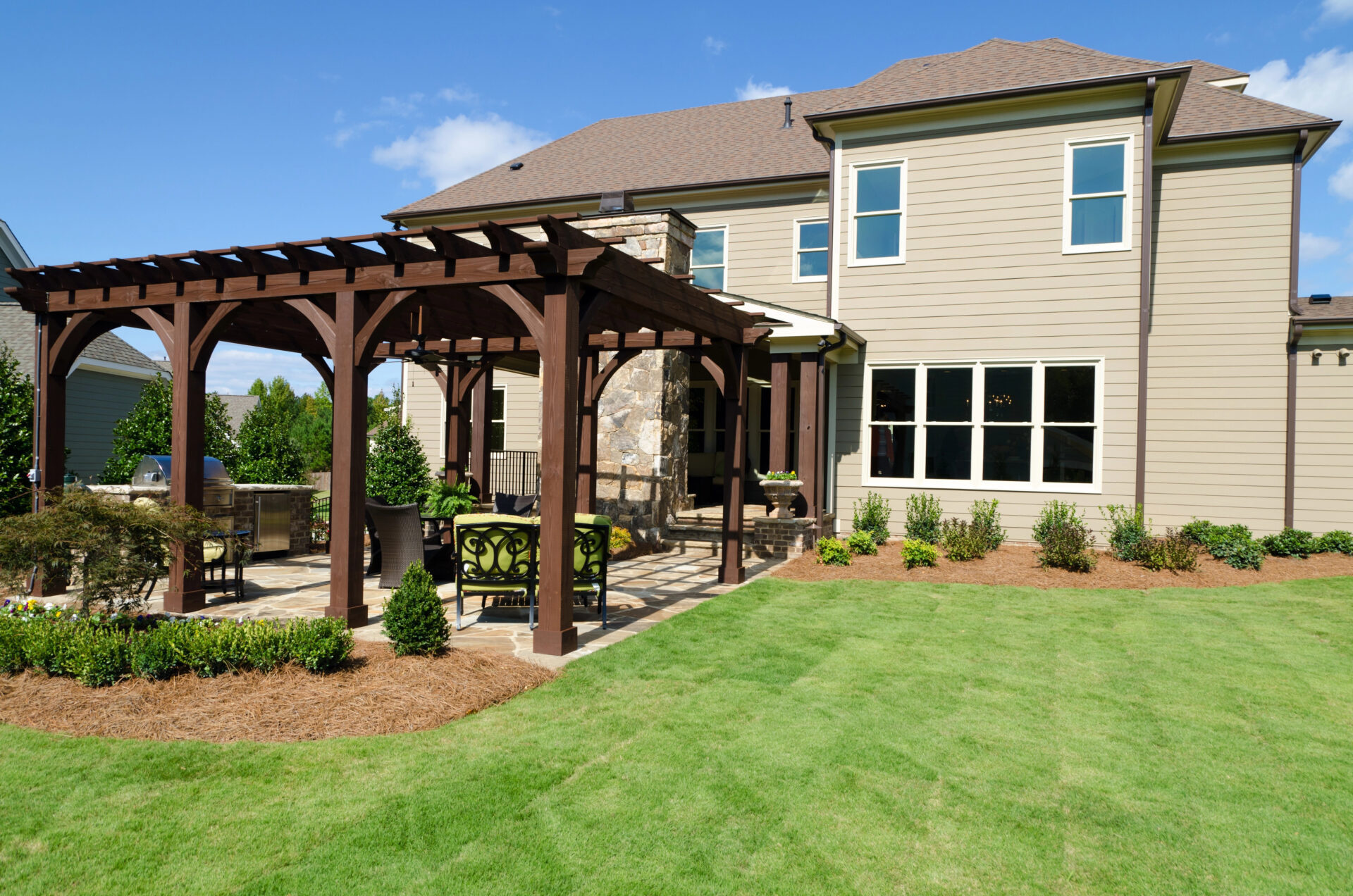
- Shade and Protection
Patio Covers
Fixed or adjustable roofing systems provide shade on demand. Control sun and shade with the press of a button for perfect comfort.
View Patio Covers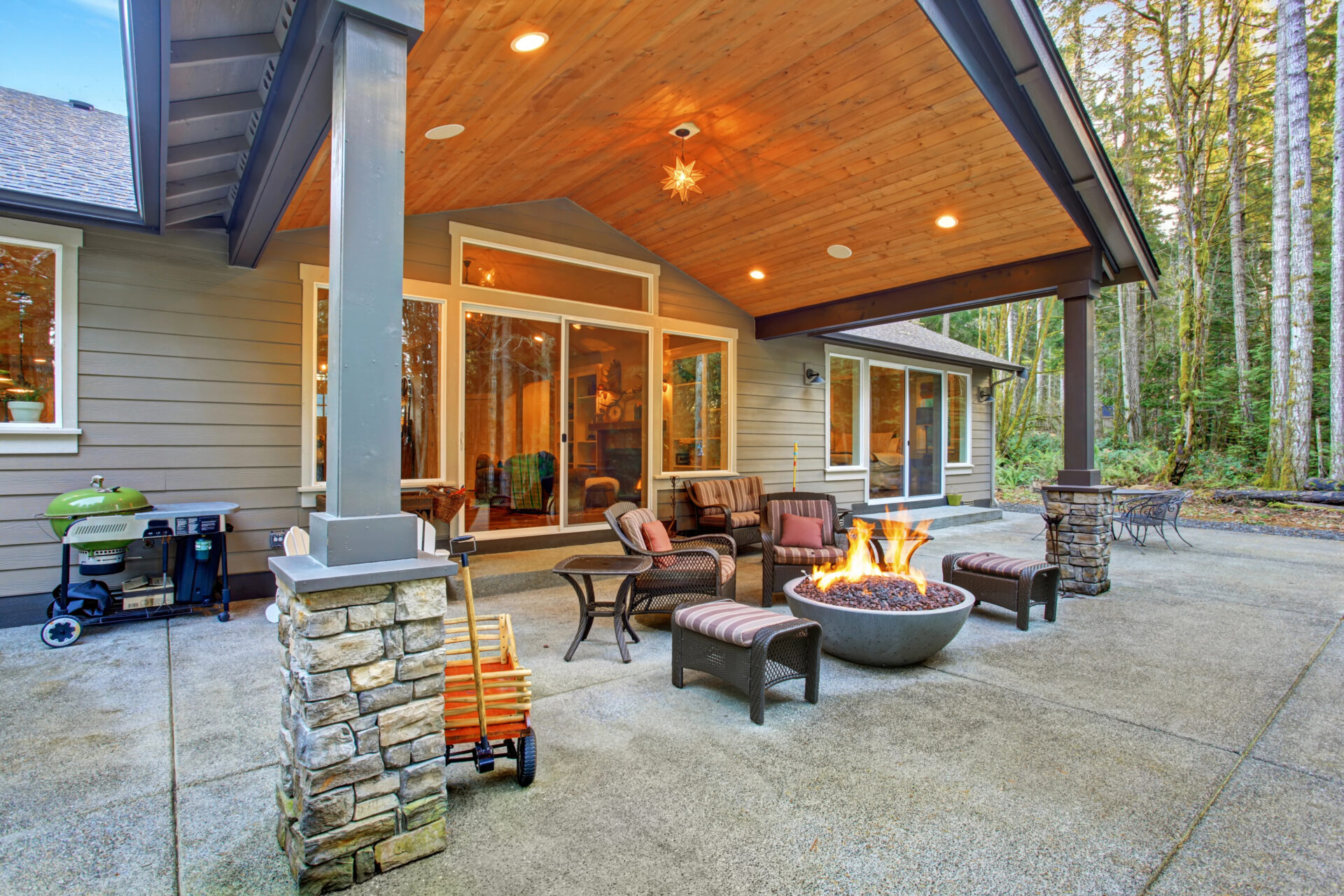
- Low-Maintenance Composite Decks
Trex Decking
High-performance composite decking with wood's beauty without burdensome upkeep. Never rot, warp, crack, or need painting, staining, or sealing.
View Trex Decking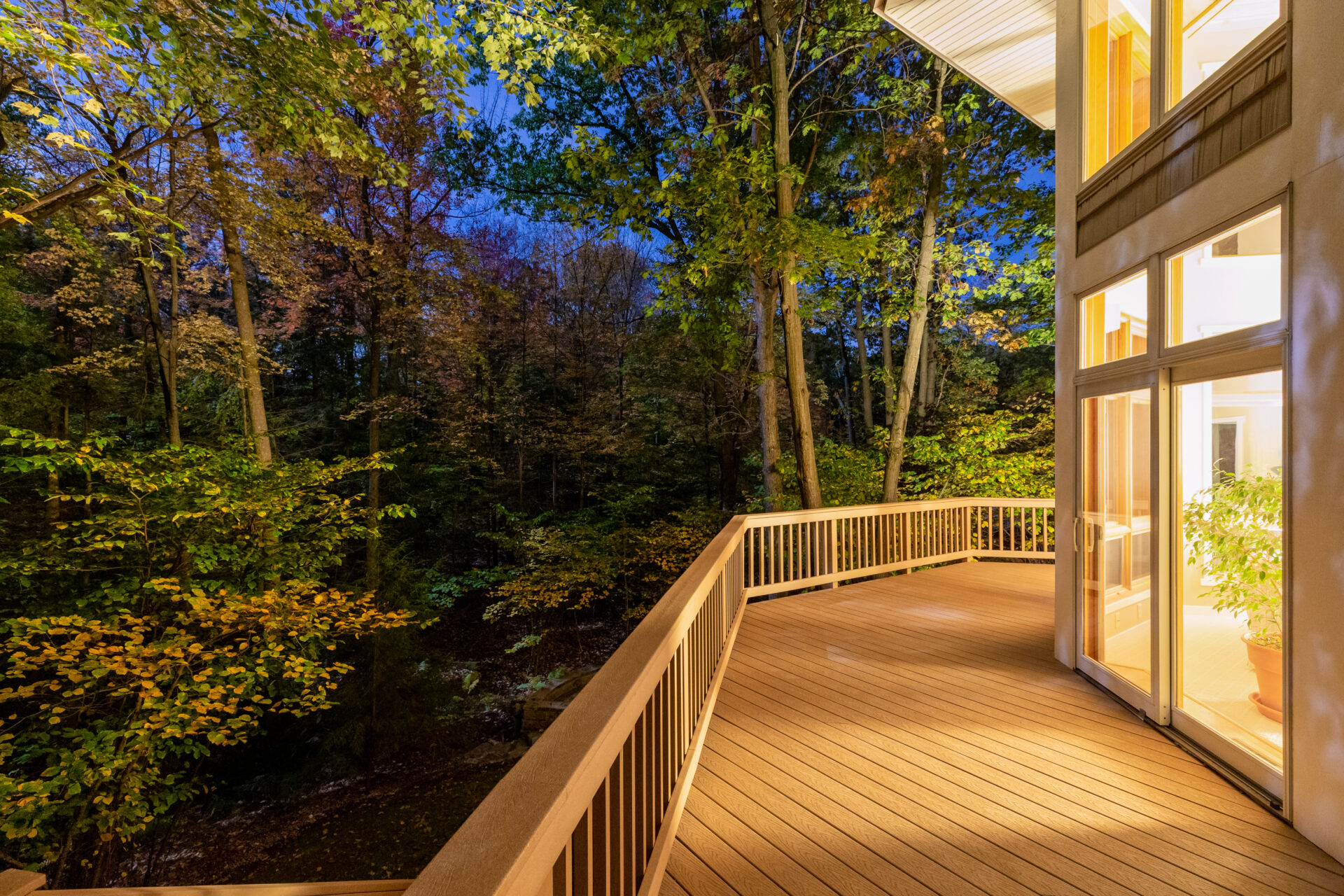
HOW WE HELP
Our Process for Your Sunroom or Outdoor Living Project
We believe great results come from clear communication and careful planning. Here's how we make each project seamless:
Custom Consultation & Design
We start with an on-site visit to understand your vision, your home’s architecture, and how you want to use your new space. From there, we create a custom design tailored to your lifestyle and budget — no cookie-cutter solutions.
Local Permits & Planning
We handle all the paperwork, engineering drawings, and permit submissions required by Charlotte and Shelby area municipalities — so you never have to chase down a building department. Our local expertise means your project stays compliant and on schedule from day one.
Expert Construction & Installation
Our factory-trained installers get to work using premium, weather-resistant materials built to handle the Carolinas’ climate year-round. Every detail is supervised to meet our high standards for craftsmanship, safety, and durability.
Final Review & Warranty
Before we consider the job done, we walk through the finished project with you to make sure every detail meets your expectations — and ours. Your investment is backed by a 2-year no-questions-asked labor warranty and a transferable lifetime product warranty for total peace of mind.