Custom Awnings in Charlotte & Western NC
Control sun and shade with custom awnings from Carolina Outdoor Designs. Motorized awning systems that provide instant shade and UV protection for Charlotte and Western NC homeowners.
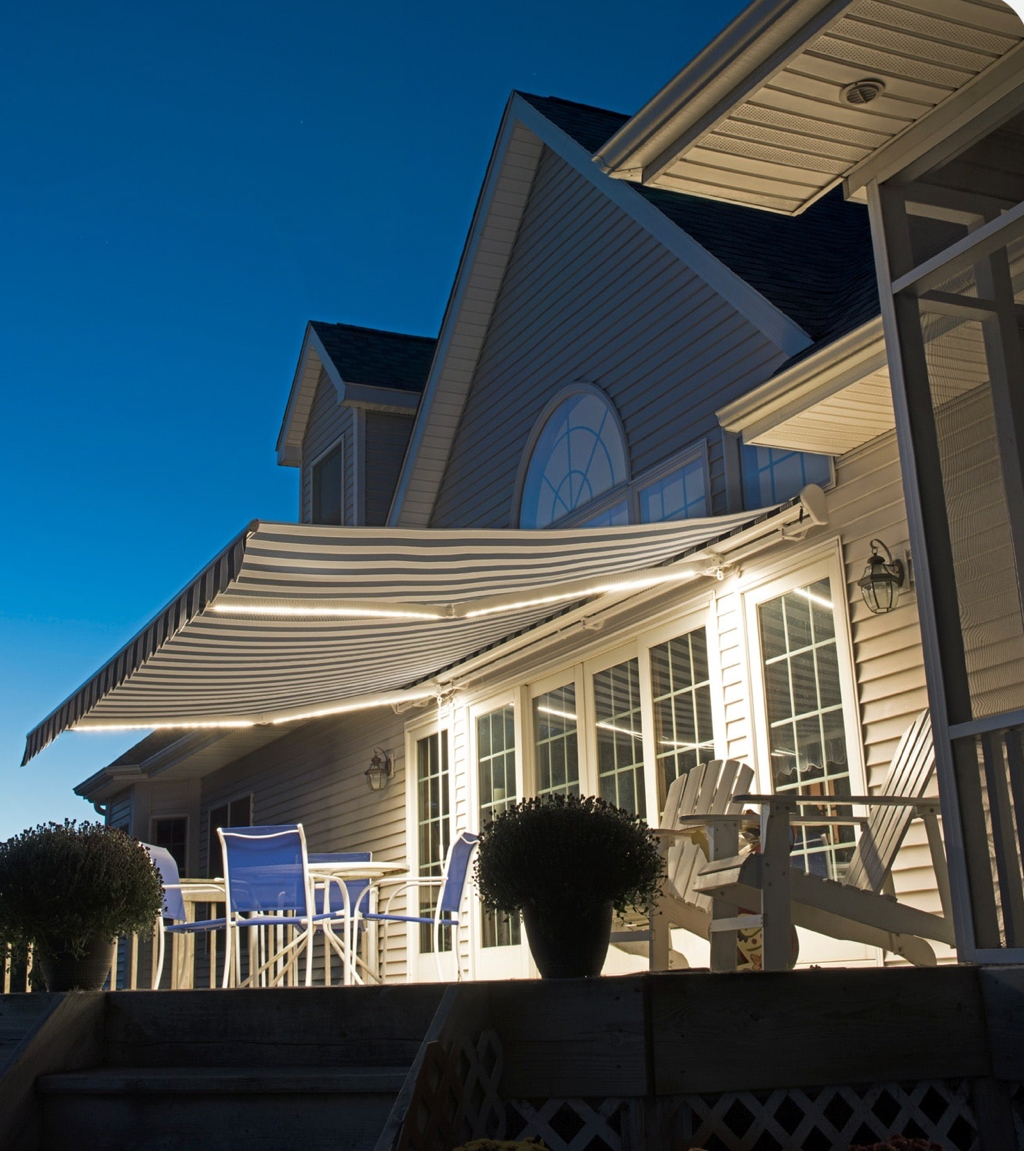
Although it can feel great to bask in the sun’s rays, there undoubtedly are times when you would prefer shade. With an awning, you can switch between sun and shade simply by pressing a button on a handheld remote. Furthermore, our extensive selection of awning fabric designs ensures you can select an option that will look amazing on your home. Awnings also help reduce indoor heat, protect furniture from fading, and extend the life of your outdoor furnishings.
The Flexibility of Retractable Awnings
The fundamental advantage of retractable awnings over fixed shade structures is flexibility. On beautiful spring mornings when you want to feel the sun’s warmth, your awning stays retracted, allowing full sun exposure. During hot summer afternoons when the sun becomes intense, you extend the awning with a button press, creating instant shade. When storms approach, you retract the awning to protect it from high winds. This on-demand control means you’re never stuck with too much sun or unnecessary shade—you adjust conditions to match your preferences and the weather.
This flexibility extends the awning’s lifespan significantly compared to fixed fabric structures. Constant sun exposure degrades fabric over time, causing fading and weakening fibers. Wind and weather stress permanently deployed awnings continuously. Retractable awnings avoid these issues by spending much of their time protected within their housing. When not needed, they’re safely stored away from UV radiation, wind, and precipitation. This protection means your awning maintains its appearance and structural integrity far longer than fixed alternatives.
The retractable design also means your home’s appearance isn’t permanently altered. When the awning is retracted, your windows, doors, and exterior look exactly as they did before installation. This appeals to homeowners who want shade options without committing to a permanent visual change. It’s also valuable in neighborhoods with architectural guidelines or homeowners associations that might restrict permanent structures but allow retractable options.
How Awnings Reduce Energy Costs
The energy-saving potential of awnings is substantial yet often underestimated. When summer sun streams through windows and glass doors, it doesn’t just create glare—it generates significant heat that your air conditioning system must work to remove. Studies show that awnings can reduce heat gain through windows by up to 77% on south-facing windows and 65% on west-facing windows. This dramatic reduction in solar heat gain translates directly to lower cooling costs.
The savings are most pronounced on windows and doors with western or southern exposure, where afternoon sun is most intense. A large sliding glass door facing west can admit enormous amounts of heat during summer afternoons. An awning over that door blocks the sun before it reaches the glass, preventing heat from entering your home in the first place. This is far more efficient than allowing heat to enter and then using air conditioning to remove it—preventing heat gain requires less energy than removing heat that’s already inside.
Beyond the direct energy savings, awnings improve comfort in rooms adjacent to covered windows and doors. These spaces stay cooler and more comfortable, reducing the temptation to lower the thermostat. The glare reduction also makes these rooms more usable during bright afternoon hours—you can watch television, work on computers, or simply relax without squinting or closing blinds that block your view entirely.
Many utility companies and government programs recognize awnings’ energy-saving benefits. Some offer rebates or incentives for installing awnings as part of energy efficiency improvements. The combination of reduced energy bills and potential rebates means awnings can pay for themselves over time through accumulated savings.
Motorized vs. Manual Operation
Awnings are available with either motorized or manual operation, and the choice affects both convenience and cost. Manual awnings use a hand crank to extend and retract the fabric. Turning the crank winds or unwinds the roller tube, deploying or retracting the awning. This system is simple, reliable, and requires no electrical connection. Manual operation works well for smaller awnings that don’t require many crank rotations to fully extend.
Motorized awnings use an electric motor to extend and retract the fabric at the push of a button. A wireless remote control allows you to operate the awning from anywhere—inside your home, from your patio, or even from your car as you arrive home. The convenience is significant, especially for larger awnings that would require considerable cranking effort manually. Motorized operation also means you’re more likely to use the awning optimally—it’s easy to extend it when sun becomes intense and retract it when clouds roll in or you’re done using the space.
Advanced motorized systems can include wind and sun sensors that automatically adjust the awning based on conditions. Wind sensors retract the awning when wind speeds exceed safe levels, protecting it from damage even if you’re not home. Sun sensors extend the awning automatically when sunlight reaches a certain intensity, providing shade without any action on your part. These automated features provide both convenience and protection, though they add to the system’s cost.
For most homeowners, motorized operation is worth the additional investment. The convenience encourages regular use, maximizing the awning’s benefits. The smooth, quiet motor operation is more pleasant than manual cranking. And for larger awnings—those over 12-14 feet wide—motorized operation becomes almost essential due to the effort required to crank them manually.
Fabric Selection and Customization
Awning fabric affects both appearance and performance, and the variety available ensures you can find options that match your aesthetic preferences while providing the protection you need. Acrylic fabrics are the most popular choice for residential awnings, offering excellent durability, fade resistance, and water repellency. Solution-dyed acrylic means color is integrated throughout the fiber rather than applied to the surface, providing superior fade resistance that keeps your awning looking vibrant for years.
The color and pattern options in acrylic fabrics are extensive. Solid colors range from neutral whites and beiges to bold reds, blues, and greens. Striped patterns in various widths and color combinations create classic awning aesthetics. Some manufacturers offer hundreds of fabric choices, ensuring you can find options that complement your home’s exterior colors and your personal style preferences.
Fabric considerations include:
- Light colors reflect more heat but may show dirt more readily
- Dark colors absorb more heat but hide stains better
- Striped patterns create traditional awning appearance
- Solid colors offer contemporary, clean aesthetics
- Textured fabrics add visual interest
Beyond aesthetics, fabric performance characteristics matter. Water-repellent treatments cause rain to bead and run off rather than soaking into the fabric. Mildew-resistant treatments prevent the growth of mold and mildew in humid climates like ours. UV-resistant fabrics maintain their strength and appearance despite constant sun exposure. Quality awning fabrics combine all these performance features with attractive appearance.
Fabric warranties typically range from 5-10 years, reflecting the material’s expected lifespan under normal use. Proper care—keeping the fabric clean and ensuring it’s dry before retracting—can extend fabric life beyond warranty periods. When fabric eventually does need replacement, the awning’s frame and mechanism remain functional, making fabric replacement a cost-effective way to refresh your awning’s appearance.
Awning Styles and Configurations
Awnings come in various styles designed for different applications and aesthetic preferences. Lateral arm awnings are the most common type for patios and decks. These feature arms that extend outward from the mounting point, supporting the fabric as it projects over the area you want to shade. The arms retract along with the fabric, folding neatly against the wall when the awning is closed.
Full cassette awnings provide maximum protection for the fabric and mechanism when retracted. The entire awning—fabric, roller tube, and arms—is enclosed within an aluminum housing when closed. This complete protection keeps the fabric cleaner and extends its lifespan by shielding it from weather and UV exposure when not in use. The cassette also provides a clean, finished appearance on your home’s exterior. Full cassette awnings cost more than open styles but offer superior protection and aesthetics.
Semi-cassette awnings provide partial protection, with a hood that covers the fabric roller when retracted but leaves the arms exposed. This design offers some of the cassette’s protective benefits at a lower cost than full cassette models. The hood keeps the fabric cleaner and provides a more finished appearance than completely open awnings.
Drop arm or window awnings are designed for vertical installation over windows. Rather than projecting horizontally like patio awnings, these deploy downward at an angle. They’re ideal for shading windows to reduce heat gain and glare while maintaining some visibility. The angled deployment allows rain to run off while still providing effective sun protection.
Sizing and Coverage
Proper awning sizing ensures adequate shade coverage while maintaining proportional appearance on your home. Awnings are measured by width (the dimension parallel to your house) and projection (how far they extend outward). Standard residential awnings range from 6 to 40 feet wide, with projections from 5 to 14 feet.
Determining the right size requires considering what you want to shade and when. The sun’s angle changes throughout the day and across seasons. An awning that provides perfect shade at 2 PM might leave areas exposed at 5 PM as the sun moves. We assess your specific situation—the orientation of your patio or windows, typical sun angles during the times you’ll use the space, and the area you want to protect. This analysis ensures your awning is sized to provide effective shade when and where you need it.
Multiple awnings can be installed to provide comprehensive coverage for large areas or multiple windows. Coordinating fabric choices across multiple awnings creates a cohesive appearance. Some homeowners install awnings over different areas—one over a patio door, another over a seating area—to create flexible shade options that can be deployed independently based on sun position and usage.
Installation and Mounting
Proper installation is critical for awning performance and longevity. Awnings must be mounted securely to handle wind loads and the weight of the extended fabric and frame. We assess your home’s exterior to determine the best mounting approach. Most awnings mount to wall surfaces, attaching through siding into solid framing members. Proper flashing and sealing prevent water infiltration at mounting points.
The mounting height affects both shade coverage and clearance. Awnings should be high enough to provide adequate headroom when extended—typically at least 7-8 feet above the patio or deck surface. Higher mounting provides better clearance but may reduce shade effectiveness depending on sun angles. We calculate optimal mounting height based on your specific situation.
Pitch—the angle at which the awning slopes from mounting point to outer edge—affects water runoff and appearance. A steeper pitch sheds water more effectively but provides less projection for a given arm length. Most awnings are installed with a moderate pitch that balances drainage and coverage. Adjustable pitch mechanisms on some models allow you to change the angle after installation.
For motorized awnings, electrical connections must be planned and installed. We coordinate with electricians if needed to ensure proper wiring and switch placement. Wireless controls eliminate the need for wall switches, providing more flexibility in operation.
Maintenance and Care
Awnings require minimal maintenance but benefit from basic care that extends their lifespan and maintains appearance. The fabric should be cleaned periodically to remove dirt, pollen, and debris. Most cleaning can be done with a soft brush and mild soap solution, rinsing thoroughly with a hose. Avoid harsh chemicals or pressure washing that can damage fabric treatments or force water into the awning mechanism.
Always ensure the fabric is completely dry before retracting the awning. Storing damp fabric promotes mildew growth and can cause staining. If you must retract a wet awning due to weather, extend it again as soon as possible to allow drying. This simple practice prevents most fabric deterioration issues.
The awning mechanism requires occasional attention. Lubricate moving parts annually according to manufacturer recommendations. Check fasteners and mounting points to ensure everything remains secure. For motorized awnings, test the motor and sensors periodically to ensure proper function. Most manufacturers recommend professional service every few years to inspect and maintain mechanical components.
During winter or extended periods of non-use, some homeowners choose to remove awning fabric for storage. This protects the fabric from winter weather and extends its lifespan. However, quality awnings are designed to remain installed year-round if properly maintained. The decision depends on your climate, how exposed the awning is to severe weather, and your preference for seasonal maintenance tasks.
Wind and Weather Considerations
Wind is the primary weather concern for awnings. Extended awnings catch wind like sails, creating significant forces on the fabric, frame, and mounting points. Most residential awnings are rated for winds up to 20-25 mph when extended. Beyond these speeds, the awning should be retracted to prevent damage.
Wind sensors on motorized awnings automatically retract the awning when wind speeds exceed safe levels. This protection is valuable when you’re away from home or not paying attention to changing weather conditions. The sensor prevents damage that could occur if the awning remains extended during sudden storms or high winds.
Even with wind sensors, it’s good practice to retract awnings when you’re not actively using them and when storms are forecast. The retracted position protects the awning from wind, hail, and heavy rain. This precautionary approach maximizes awning lifespan and prevents damage that could require repairs or fabric replacement.
Perfect for Charlotte’s Climate
Charlotte’s climate makes awnings particularly valuable. Our hot summers with intense afternoon sun create conditions where shade is genuinely needed for comfort. The sun’s heat on patios, decks, and through windows makes outdoor spaces uncomfortable and indoor spaces expensive to cool. Awnings address both issues effectively, creating comfortable outdoor areas while reducing indoor cooling costs.
The variability in our weather—beautiful mornings that become hot afternoons, sunny days followed by sudden storms—makes the flexibility of retractable awnings especially useful. You can adjust shade coverage throughout the day as conditions change. When storms approach, you retract the awning for protection. This adaptability matches our climate’s changeability perfectly.
Ready to Add Flexible Shade to Your Home?
Contact Carolina Outdoor Designs today to schedule your complimentary awning consultation. We’ll assess your shade needs, show you fabric samples, discuss motorized and manual options, and provide a detailed estimate for an awning system that enhances your outdoor comfort and reduces energy costs. Let us show you how premium awnings can transform your outdoor living experience at your Charlotte or Western NC home.
MORE OFFERINGS
Related Services
- Flexible Screen Solutions
Retractable Screens
Deploy screens instantly with wireless remote control for increased privacy and protection from bugs. Enjoy your outdoor space more than ever.
View Retractable Screens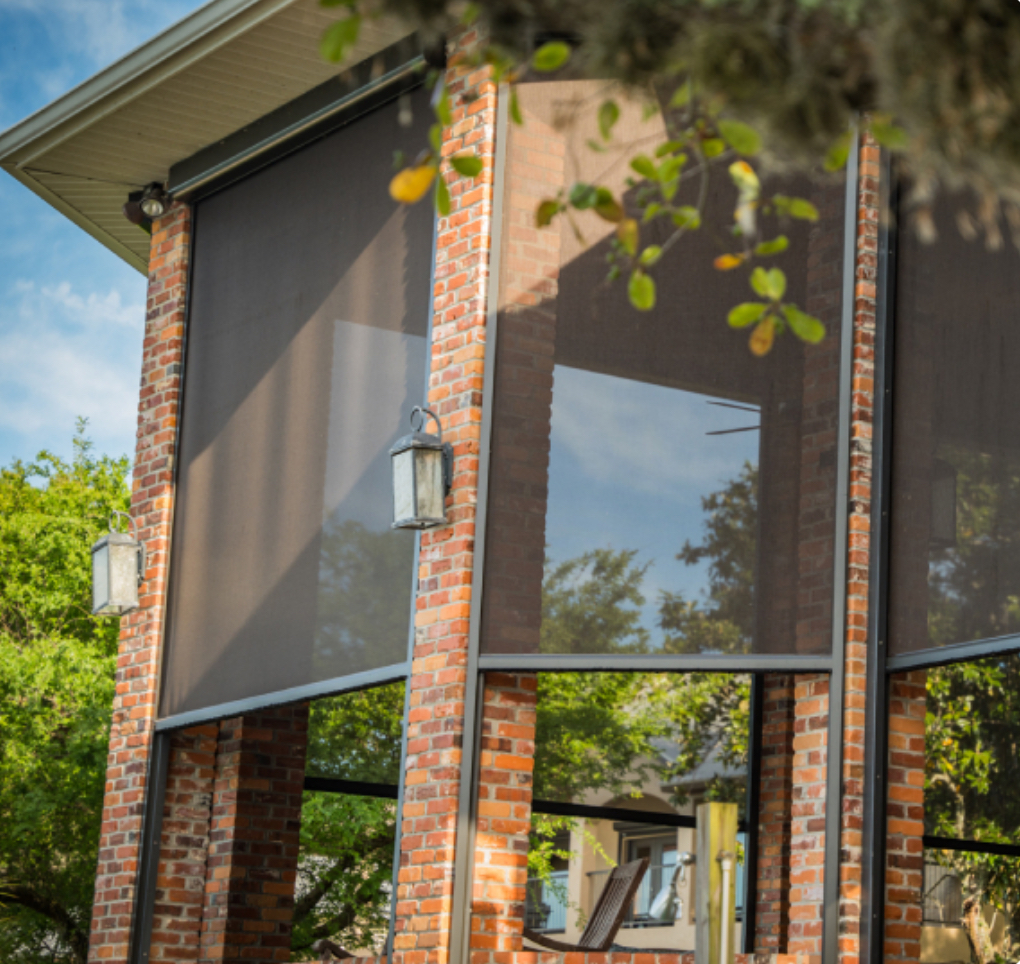
- Elegant Outdoor Structures
Pergolas
Latticed structures add tremendous visual interest while providing dappled shade. Extensive column, beam, and color options create your ideal design.
View Pergolas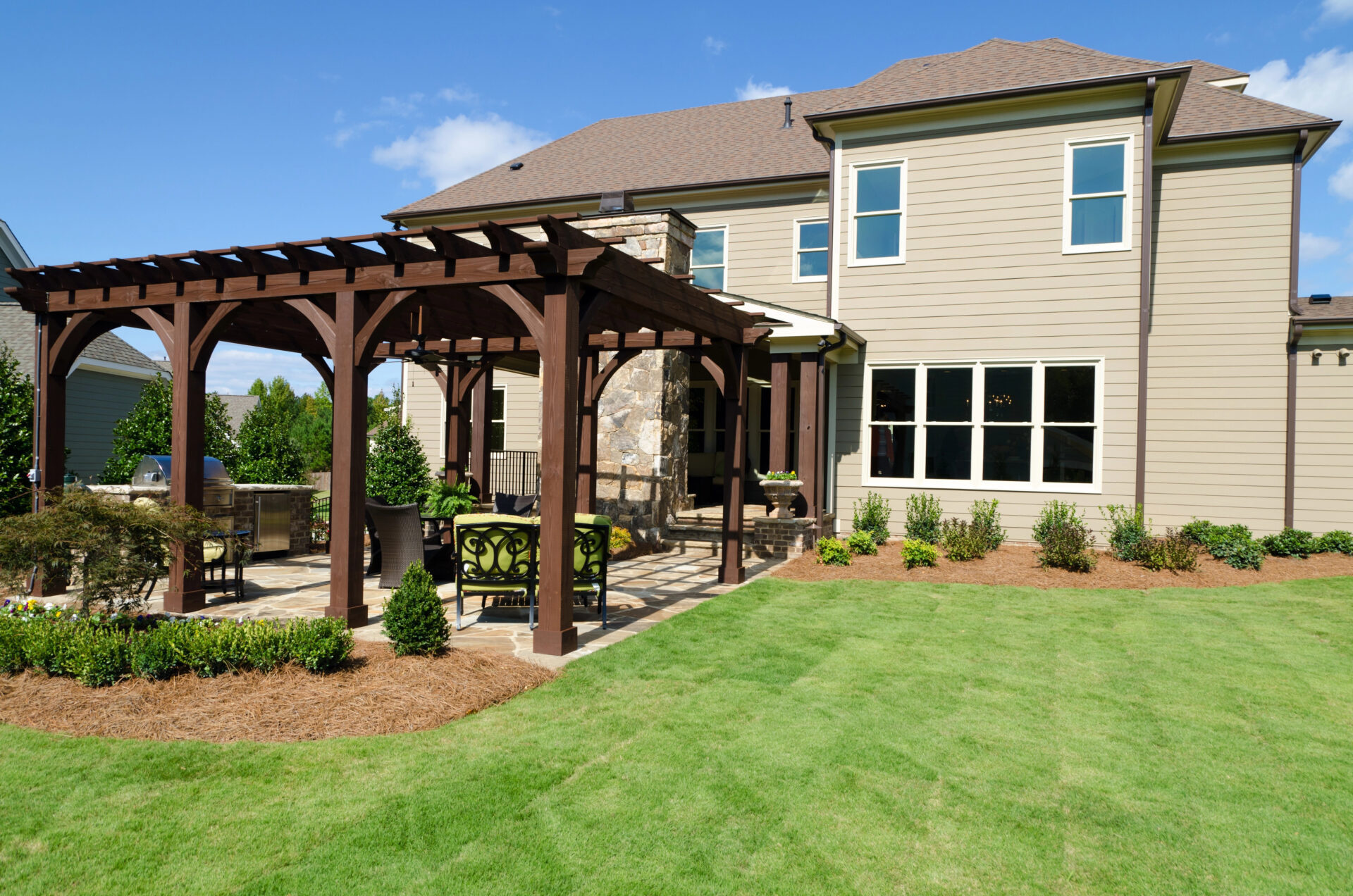
- Shade and Protection
Patio Covers
Fixed or adjustable roofing systems provide shade on demand. Control sun and shade with the press of a button for perfect comfort.
View Patio Covers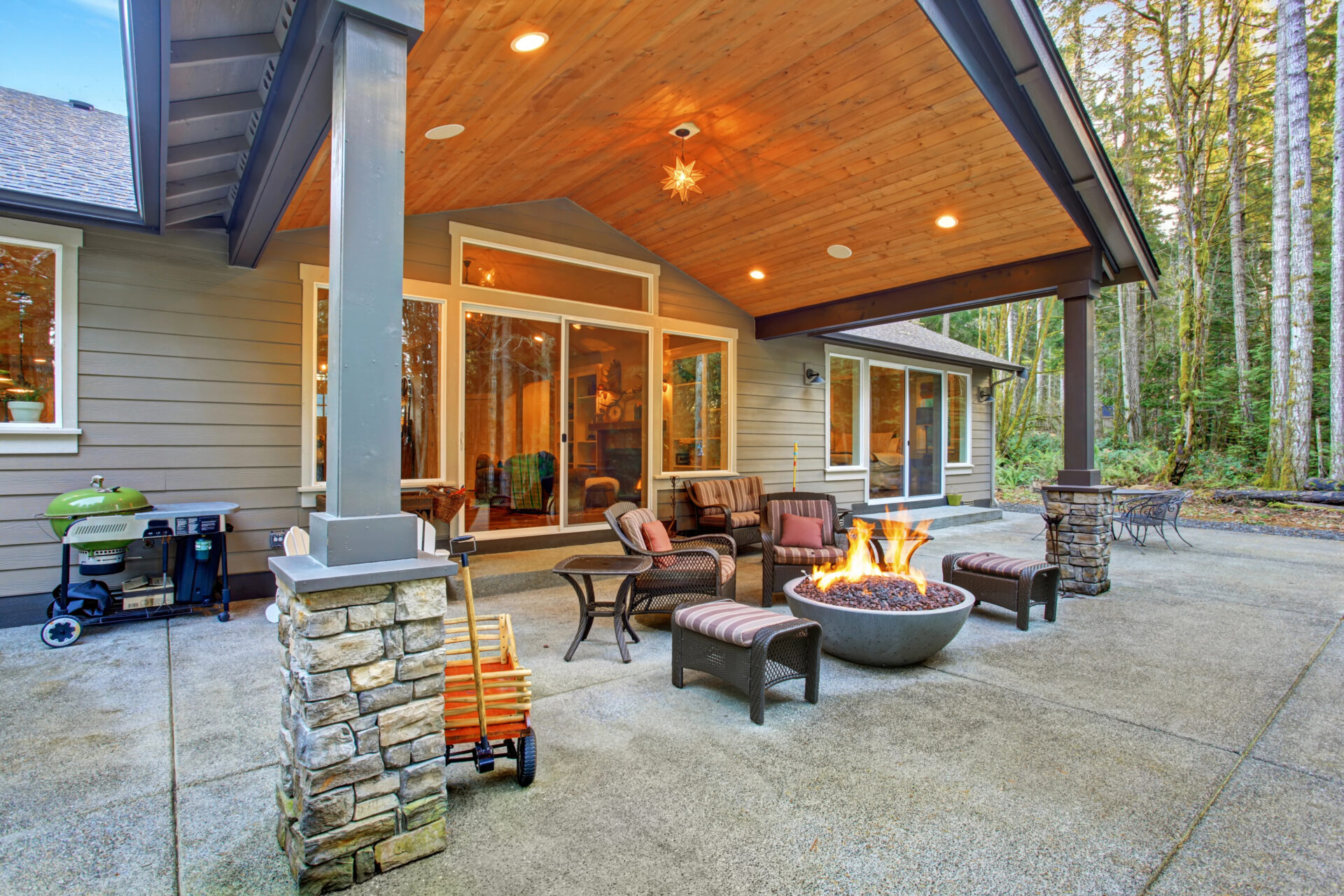
HOW WE HELP
Our Process for Your Sunroom or Outdoor Living Project
We believe great results come from clear communication and careful planning. Here's how we make each project seamless:
Custom Consultation & Design
We start with an on-site visit to understand your vision, your home’s architecture, and how you want to use your new space. From there, we create a custom design tailored to your lifestyle and budget — no cookie-cutter solutions.
Local Permits & Planning
We handle all the paperwork, engineering drawings, and permit submissions required by Charlotte and Shelby area municipalities — so you never have to chase down a building department. Our local expertise means your project stays compliant and on schedule from day one.
Expert Construction & Installation
Our factory-trained installers get to work using premium, weather-resistant materials built to handle the Carolinas’ climate year-round. Every detail is supervised to meet our high standards for craftsmanship, safety, and durability.
Final Review & Warranty
Before we consider the job done, we walk through the finished project with you to make sure every detail meets your expectations — and ours. Your investment is backed by a 2-year no-questions-asked labor warranty and a transferable lifetime product warranty for total peace of mind.