Pergola Installation in Charlotte & Western NC
Add architectural beauty and dappled shade with professional pergola installation from Carolina Outdoor Designs. Elegant outdoor structures that define your space for Charlotte and Western NC homeowners.
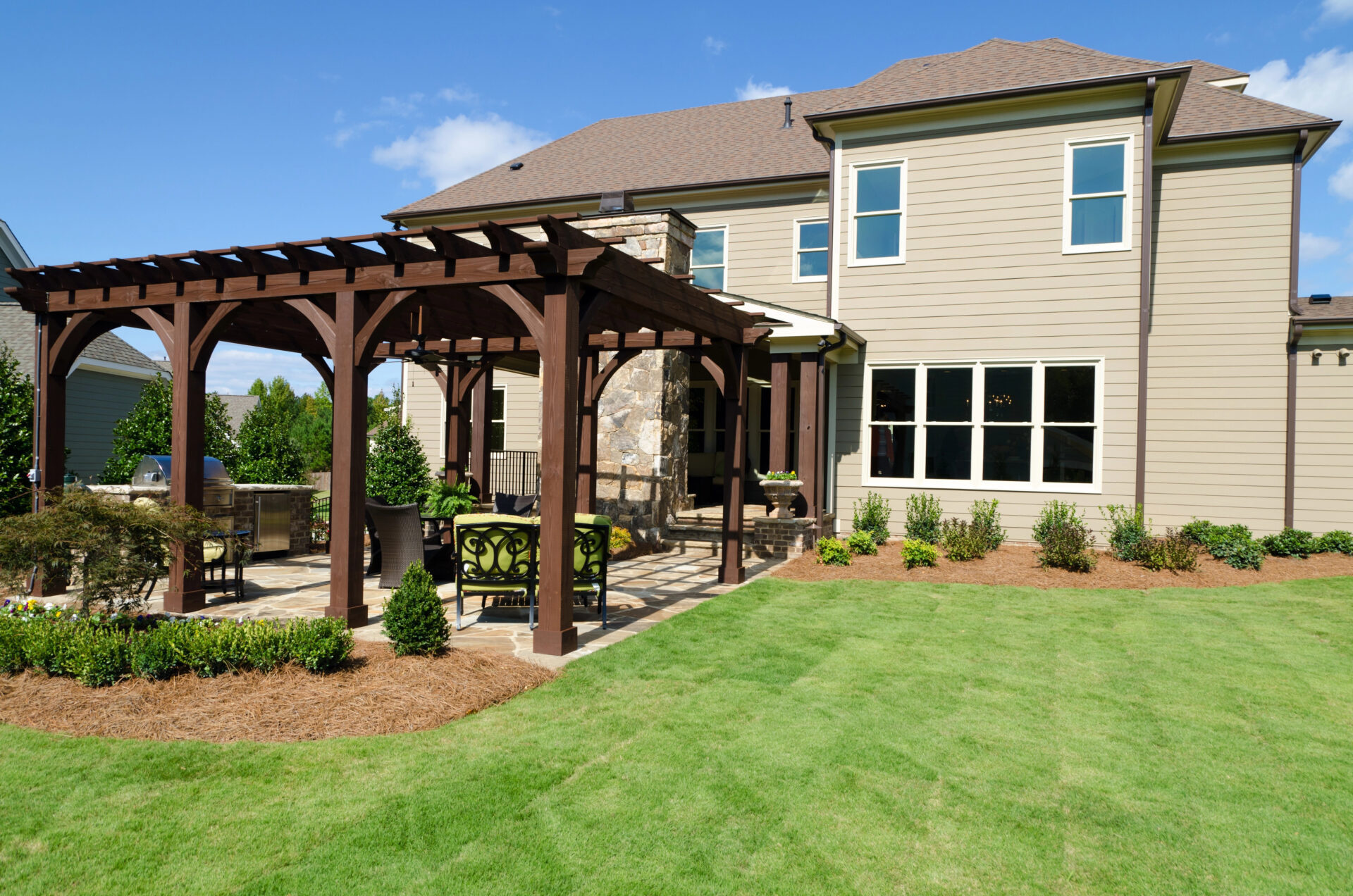
Very few upgrades define an outdoor living space like a pergola. The latticed structure will add tremendous visual interest to your backyard while providing you with a place to relax under dappled shade. Our extensive selection of column, beam, and color options ensures we can create the ideal pergola design for your home. Whether you prefer a traditional wood look or modern aluminum construction, we’ll build a pergola that becomes the centerpiece of your outdoor living area.
The Unique Character of Pergolas
Pergolas occupy a distinctive place among outdoor structures—they’re not quite roofs, not quite decorative elements, but something in between that serves multiple purposes beautifully. The open lattice roof creates filtered shade rather than complete coverage, allowing sunlight to pass through in patterns that shift throughout the day. This dappled shade provides relief from intense sun while maintaining an open, airy feel that solid roofs cannot match.
The architectural impact of pergolas extends beyond their functional shade provision. A well-designed pergola creates a focal point in your landscape, drawing the eye and defining space in ways that few other structures can. The vertical posts and horizontal beams create strong geometric lines that add structure to outdoor areas. The interplay of light and shadow through the lattice creates visual interest that changes throughout the day as the sun moves across the sky.
Unlike solid patio covers that create distinct indoor-outdoor boundaries, pergolas maintain connection to the sky and surroundings while still defining space. You can see clouds moving overhead, watch birds fly past, and feel more connected to the outdoor environment. This quality makes pergolas particularly appealing to homeowners who want structure and definition in their outdoor spaces without feeling enclosed or separated from nature.
Pergola Materials and Construction
The material you choose for your pergola affects appearance, maintenance requirements, longevity, and cost. Each option offers distinct characteristics that make it suitable for different aesthetic preferences and practical considerations.
Aluminum Pergolas
Aluminum has become increasingly popular for pergola construction due to its exceptional durability and minimal maintenance requirements. Aluminum won’t rot, warp, crack, or attract insects—the issues that plague wood structures simply don’t affect aluminum. The material is naturally corrosion-resistant, performing well even in Charlotte’s humid climate without rusting or deteriorating.
Powder-coated finishes on aluminum pergolas provide color options while adding an extra layer of protection. These finishes are baked onto the aluminum at high temperatures, creating a bond that’s far more durable than paint. The result is a finish that resists fading, chipping, and peeling for decades. When you choose aluminum, you’re essentially installing a maintenance-free structure that will look virtually the same in twenty years as it does the day we complete installation.
The strength-to-weight ratio of aluminum is impressive. Despite being lightweight compared to wood, properly engineered aluminum pergolas are incredibly strong. They can span greater distances with fewer support posts, creating more open space beneath the structure. This strength also means aluminum pergolas withstand wind loads effectively, an important consideration in areas that experience occasional severe weather.
Modern aluminum pergolas have evolved beyond the utilitarian appearance of early designs. Today’s products feature profiles and details that create attractive, refined aesthetics. Some aluminum pergolas are designed to mimic wood grain and texture, providing wood’s visual appeal without its maintenance demands. Others embrace aluminum’s contemporary character, featuring clean lines and minimalist design that suits modern architecture perfectly.
Wood Pergolas
Wood pergolas offer natural beauty and traditional craftsmanship that appeals to homeowners seeking organic, warm aesthetics. The grain patterns, natural color variations, and texture of wood create visual interest that manufactured materials cannot fully replicate. Wood pergolas can be stained in virtually any color or left natural to weather to an attractive silver-gray patina over time.
Cedar is the most popular wood choice for pergolas due to its natural resistance to rot and insects. The wood contains natural oils that repel moisture and deter insects, providing inherent durability that pressure-treated lumber achieves through chemical treatment. Cedar’s attractive color—ranging from light amber to reddish-brown—and pleasant aroma add to its appeal. The wood is also relatively lightweight and easy to work with, allowing for intricate details and custom designs.
Pressure-treated lumber offers an economical alternative to cedar. Chemical treatment protects the wood from rot and insects, providing good durability at lower cost. Pressure-treated pergolas can be stained or painted to achieve desired appearance, offering flexibility in color and finish. The material is readily available and familiar to contractors, making it a practical choice for budget-conscious projects.
The trade-off with wood pergolas is maintenance. Wood requires periodic staining or sealing to maintain appearance and maximize lifespan. Without treatment, wood weathers and can develop cracks, splinters, and eventually rot. Most homeowners need to restain or reseal wood pergolas every 2-3 years to keep them looking their best. This ongoing maintenance commitment should be considered when choosing between wood and aluminum construction.
Pergola Design Styles
Pergolas can be designed in various styles to complement different architectural aesthetics and serve different functional purposes. The style you choose should harmonize with your home’s architecture while meeting your practical needs for shade and space definition.
Traditional Pergolas
Traditional pergola design features classic proportions and details that have proven appealing for centuries. Square or rectangular posts support horizontal beams, which in turn support closely-spaced rafters that create the characteristic latticed roof. The spacing between rafters can be adjusted to provide more or less shade—closer spacing creates more shade, while wider spacing allows more sunlight through.
Traditional pergolas often incorporate decorative details like shaped rafter ends, carved post capitals, or ornamental brackets where beams meet posts. These details add visual interest and craftsmanship character that elevates the structure beyond purely functional construction. The level of detail can be adjusted to match your preferences and budget—simple, clean designs cost less than heavily detailed structures.
This classic style works well with most home architectures, from traditional colonials to craftsman bungalows. The timeless design ensures your pergola won’t look dated as architectural trends change over the years. For homeowners seeking proven aesthetics that will remain appealing indefinitely, traditional pergola design is the safe, attractive choice.
Modern Pergolas
Modern pergola design embraces clean lines, minimal ornamentation, and contemporary materials. Aluminum construction is common in modern designs, with sleek profiles and smooth finishes that create refined, sophisticated appearance. The emphasis is on geometric purity and structural honesty—the pergola’s form clearly expresses its function without unnecessary decoration.
Modern pergolas often feature wider beam and rafter spacing, creating a more open feel with less shade. This suits contemporary aesthetics that favor openness and connection to surroundings. The structures may incorporate flat roofs rather than traditional pitched designs, or use cantilevered beams that extend beyond support posts for dramatic visual effect.
This style complements contemporary, modern, and minimalist home designs where traditional pergola details would feel out of place. The clean aesthetics also work well in urban settings or smaller yards where visual simplicity prevents the space from feeling cluttered or busy.
Arched Pergolas
Arched pergolas feature curved beams that create graceful, flowing lines rather than the straight geometry of traditional designs. The curves soften the structure’s appearance, creating romantic, elegant aesthetics that work beautifully in garden settings or with homes featuring curved architectural elements.
Creating arched pergolas requires more complex construction than straight designs. Beams must be laminated or specially manufactured to achieve smooth curves. This additional complexity affects cost, but the distinctive appearance justifies the investment for homeowners seeking unique, elegant outdoor structures.
Arched pergolas work particularly well as garden features, over walkways, or in settings where softer, more organic aesthetics are desired. The curves create visual interest from all angles and photograph beautifully, making arched pergolas popular choices for properties where aesthetics are a primary consideration.
Pergola Placement and Function
Where you place your pergola and how you design it affects both its functionality and its impact on your landscape. Thoughtful placement maximizes the structure’s benefits while creating harmonious integration with your property.
Over Patios and Decks
Installing a pergola over an existing patio or deck defines the space and provides shade without the expense of building both hardscaping and structure. The pergola transforms a simple patio into a defined outdoor room, creating a sense of enclosure and purpose. The dappled shade makes the space more comfortable during hot days while maintaining the open-air feel that makes outdoor living appealing.
Pergolas over patios work particularly well for dining areas. The structure defines the dining space, creating a sense of place that makes outdoor meals feel more intentional and special. The shade protects diners from intense sun while allowing breezes to flow through. Adding outdoor lighting to the pergola extends the dining area’s usability into evening hours.
Freestanding Garden Pergolas
Pergolas placed within your landscape, separate from your home, create destinations within your yard. These freestanding structures draw people into the garden, providing shaded seating areas or focal points that add interest to the landscape. A pergola at the end of a garden path creates a sense of journey and arrival, making your yard feel larger and more complex.
Freestanding pergolas work beautifully as supports for climbing plants. Wisteria, roses, clematis, and other vines transform pergolas into living structures covered with foliage and flowers. The combination of architectural structure and natural growth creates romantic, established appearance that enhances any garden. The plants also increase shade as they mature, making the pergola more functional over time.
Walkway Pergolas
Pergolas spanning walkways create covered passages that add drama and structure to your landscape. These structures define circulation paths while providing shade and architectural interest. A pergola-covered walkway connecting different areas of your yard—from patio to garden, or house to garage—transforms a simple path into an experience.
The vertical posts of walkway pergolas create a rhythm as you pass through, while the overhead structure frames views ahead. This sequential experience of moving through defined space adds sophistication to your landscape design. Walkway pergolas are particularly effective in larger yards where creating distinct zones and circulation paths enhances the overall design.
Enhancing Pergolas with Additional Features
While pergolas are beautiful structures on their own, various additions can enhance their functionality and appearance. Planning these features during initial construction ensures proper integration and support.
Climbing Plants
Pergolas and climbing plants are natural partners. The structure provides support for vines while the plants add color, fragrance, and additional shade. As plants mature and cover the pergola, the structure becomes increasingly integrated into your landscape, looking established and intentional rather than newly built.
Popular climbing plants for pergolas include:
- Wisteria for dramatic cascading purple blooms in spring
- Climbing roses for color and classic beauty
- Clematis for vibrant flowers in various colors
- Grapevines for edible fruit and attractive foliage
- Jasmine for fragrant white flowers and evergreen coverage
Plant selection should consider your climate, sun exposure, and maintenance willingness. Some vines require regular pruning to prevent them from becoming overgrown, while others need minimal care. We can provide guidance on plant selection during your consultation, helping you choose options that will thrive in your specific conditions.
Retractable Canopies
Adding a retractable fabric canopy to your pergola provides adjustable shade—you can deploy the canopy when you want more coverage and retract it when you prefer open sky. The fabric slides along tracks or cables mounted to the pergola’s beams, allowing easy adjustment without tools or significant effort.
Canopies are available in various fabrics and colors, allowing you to customize appearance while adding functionality. The fabric provides more complete shade than the pergola’s lattice alone, making the space comfortable even during the hottest parts of summer days. When retracted, the canopy stores neatly at one end of the pergola, maintaining the open appearance of the structure.
Lighting Integration
Integrated lighting transforms pergolas into evening gathering spaces. String lights draped between beams create festive, romantic ambiance perfect for entertaining. Recessed downlights provide functional illumination for dining or reading. LED strips along beams create subtle glow that defines the structure at night.
Planning lighting during pergola construction allows for hidden wiring and proper electrical connections. We can run conduit within posts and beams, keeping all wiring concealed for clean appearance. Lighting controls can be positioned conveniently, and circuits can be sized appropriately for your planned fixtures.
Curtains and Drapes
Outdoor curtains hung from pergola beams add privacy, wind protection, and visual softness. The fabric can be drawn closed to create intimate spaces or tied back to maintain openness. Outdoor-rated fabrics resist fading and mildew, performing well in exterior conditions while adding color and texture to your outdoor space.
Curtains are particularly useful for pergolas in exposed locations where wind or neighboring properties affect privacy and comfort. The ability to close curtains when needed while keeping them open most of the time provides flexibility that fixed privacy screens cannot match.
Pergola Construction and Installation
Building a pergola requires careful planning and precise construction to ensure the structure is both beautiful and durable. We begin with site preparation, establishing level footings that will support the pergola’s posts. Footings must extend below the frost line and be properly sized for the structure’s dimensions and expected loads.
Posts are installed plumb and securely anchored to footings. The posts must be perfectly vertical—even slight variations become obvious once beams and rafters are installed. We use temporary bracing to hold posts in position while we install beams and verify everything is square and level.
Beams are attached to posts using appropriate hardware and fasteners. The connections must be strong enough to support the roof structure and any loads from wind, snow, or climbing plants. We use galvanized or stainless steel hardware that resists corrosion, ensuring connections remain secure for decades.
Rafters are installed across the beams, creating the characteristic latticed roof. Spacing is determined during design based on your shade preferences and aesthetic goals. We ensure rafters are evenly spaced and properly secured, creating a structure that’s both attractive and structurally sound.
Investment in Outdoor Beauty
Pergolas represent a moderate investment that provides substantial returns in aesthetic appeal and outdoor living enjoyment. The cost varies based on size, materials, complexity, and features, but pergolas generally cost less than solid patio covers while providing distinctive architectural character that covers cannot match.
The value of a pergola extends beyond its functional shade provision. The structure becomes a defining feature of your landscape, creating visual interest and focal points that enhance your property’s overall appearance. This aesthetic contribution affects how you experience your outdoor space daily and how others perceive your home.
Property value increases are another consideration. Well-designed, quality-built pergolas enhance curb appeal and create attractive outdoor living spaces that buyers value. While you may not recoup 100% of construction costs immediately, the combination of personal enjoyment and property enhancement makes pergolas worthwhile investments.
Ready to Add a Pergola to Your Outdoor Space?
Contact Carolina Outdoor Designs today to schedule your complimentary pergola consultation. We’ll discuss your vision, assess your property, and create a custom design that adds beauty, shade, and architectural interest to your outdoor space. Let us show you how a professionally built pergola can transform your Charlotte or Western NC home’s landscape into something truly special.
MORE OFFERINGS
Related Services
- Shade and Protection
Patio Covers
Fixed or adjustable roofing systems provide shade on demand. Control sun and shade with the press of a button for perfect comfort.
View Patio Covers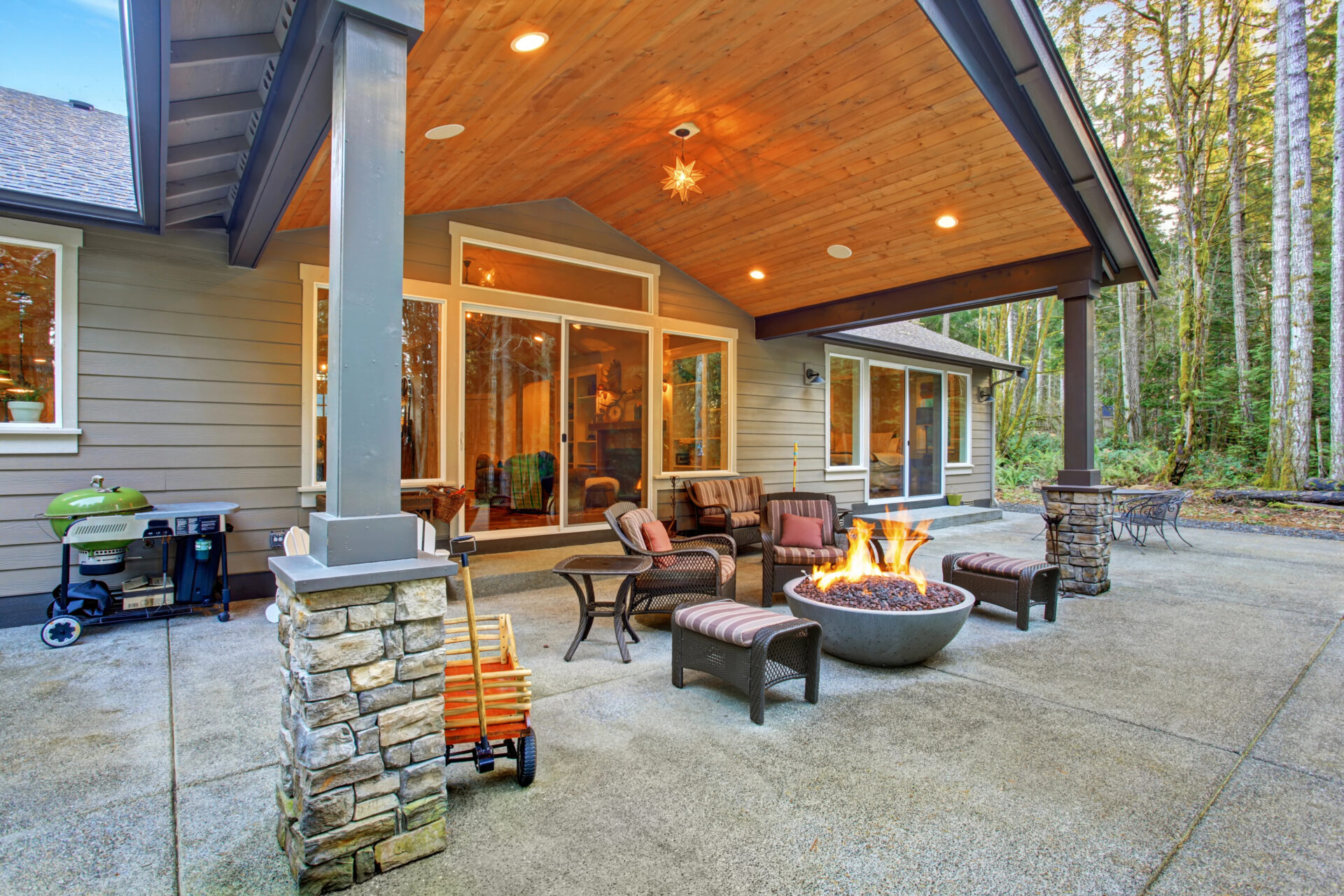
- Custom Outdoor Decks
Deck Installation
Custom decks and paver patios create perfect outdoor entertaining spaces. Beautiful, durable designs that enhance your home's functionality and value.
View Deck Installation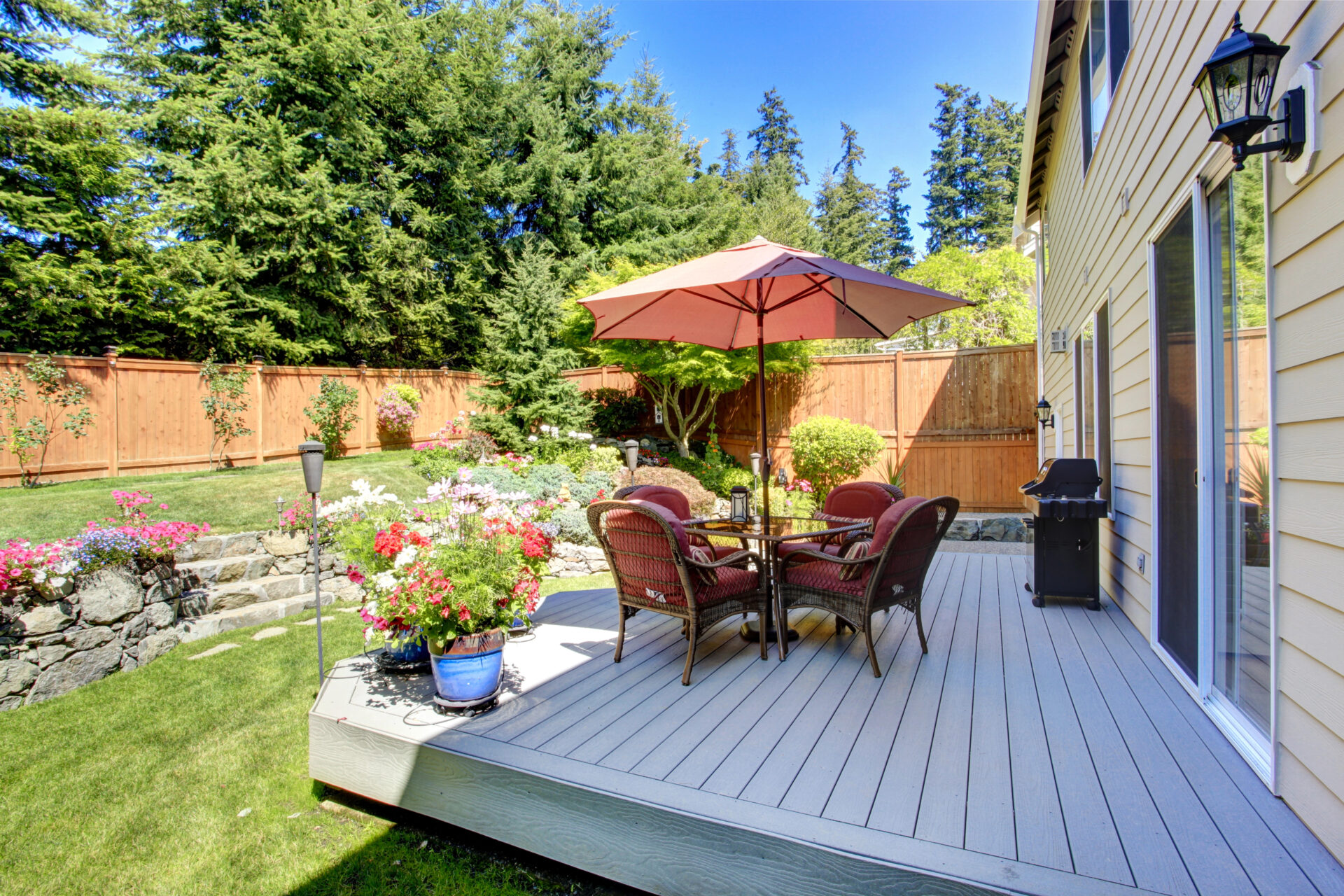
- Custom Outdoor Surfaces
Pavers & Hardscapes
Custom hardscape patios look far more appealing than plain concrete. Choose from many layouts, styles, and accents for one-of-a-kind appearance.
View Pavers & Hardscapes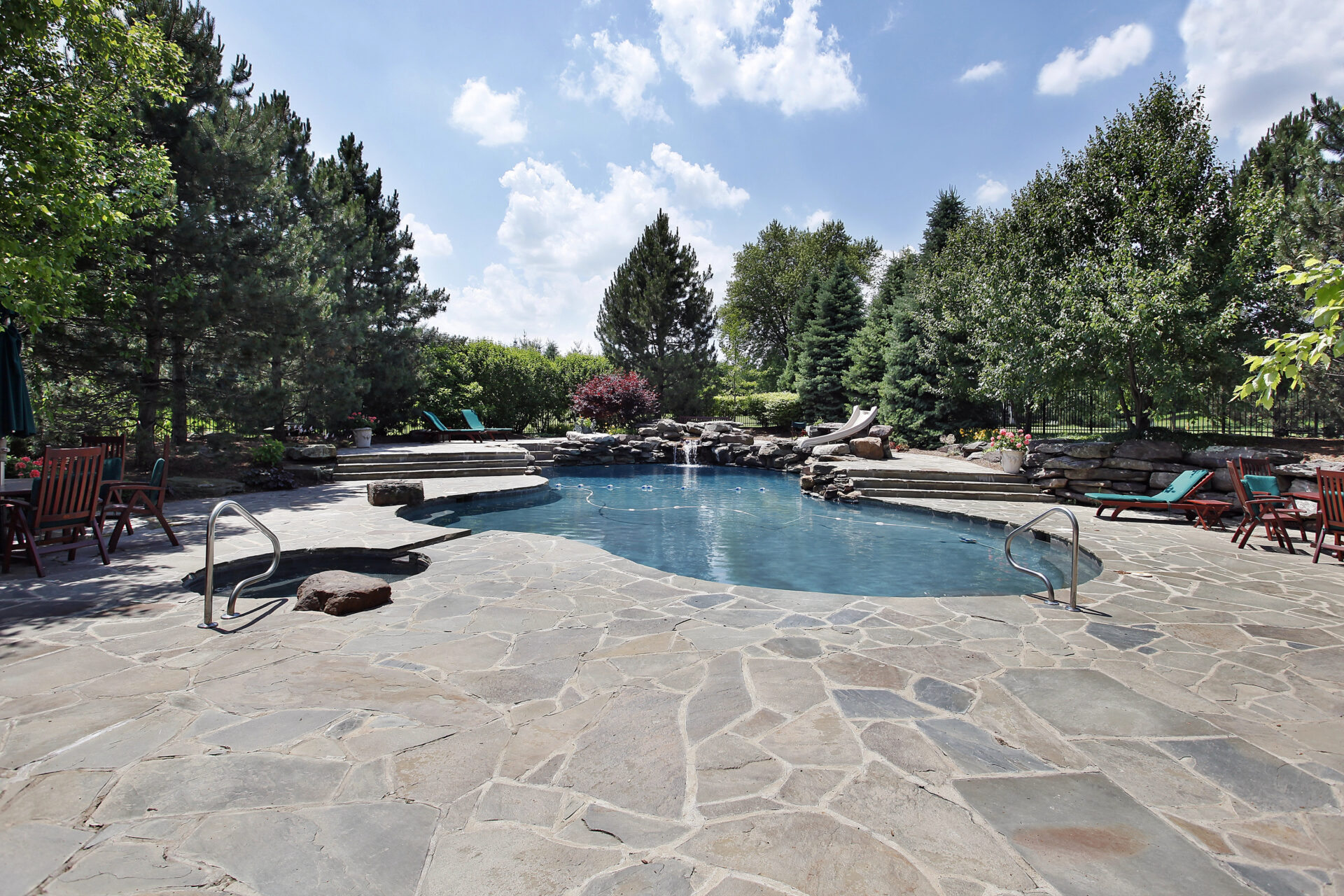
HOW WE HELP
Our Process for Your Sunroom or Outdoor Living Project
We believe great results come from clear communication and careful planning. Here's how we make each project seamless:
Custom Consultation & Design
We start with an on-site visit to understand your vision, your home’s architecture, and how you want to use your new space. From there, we create a custom design tailored to your lifestyle and budget — no cookie-cutter solutions.
Local Permits & Planning
We handle all the paperwork, engineering drawings, and permit submissions required by Charlotte and Shelby area municipalities — so you never have to chase down a building department. Our local expertise means your project stays compliant and on schedule from day one.
Expert Construction & Installation
Our factory-trained installers get to work using premium, weather-resistant materials built to handle the Carolinas’ climate year-round. Every detail is supervised to meet our high standards for craftsmanship, safety, and durability.
Final Review & Warranty
Before we consider the job done, we walk through the finished project with you to make sure every detail meets your expectations — and ours. Your investment is backed by a 2-year no-questions-asked labor warranty and a transferable lifetime product warranty for total peace of mind.