Custom Patio Covers in Charlotte & Western NC
Protect your outdoor space with custom patio covers from Carolina Outdoor Designs. Insulated roofing systems that provide year-round shade and weather protection for Charlotte and Western NC homeowners.
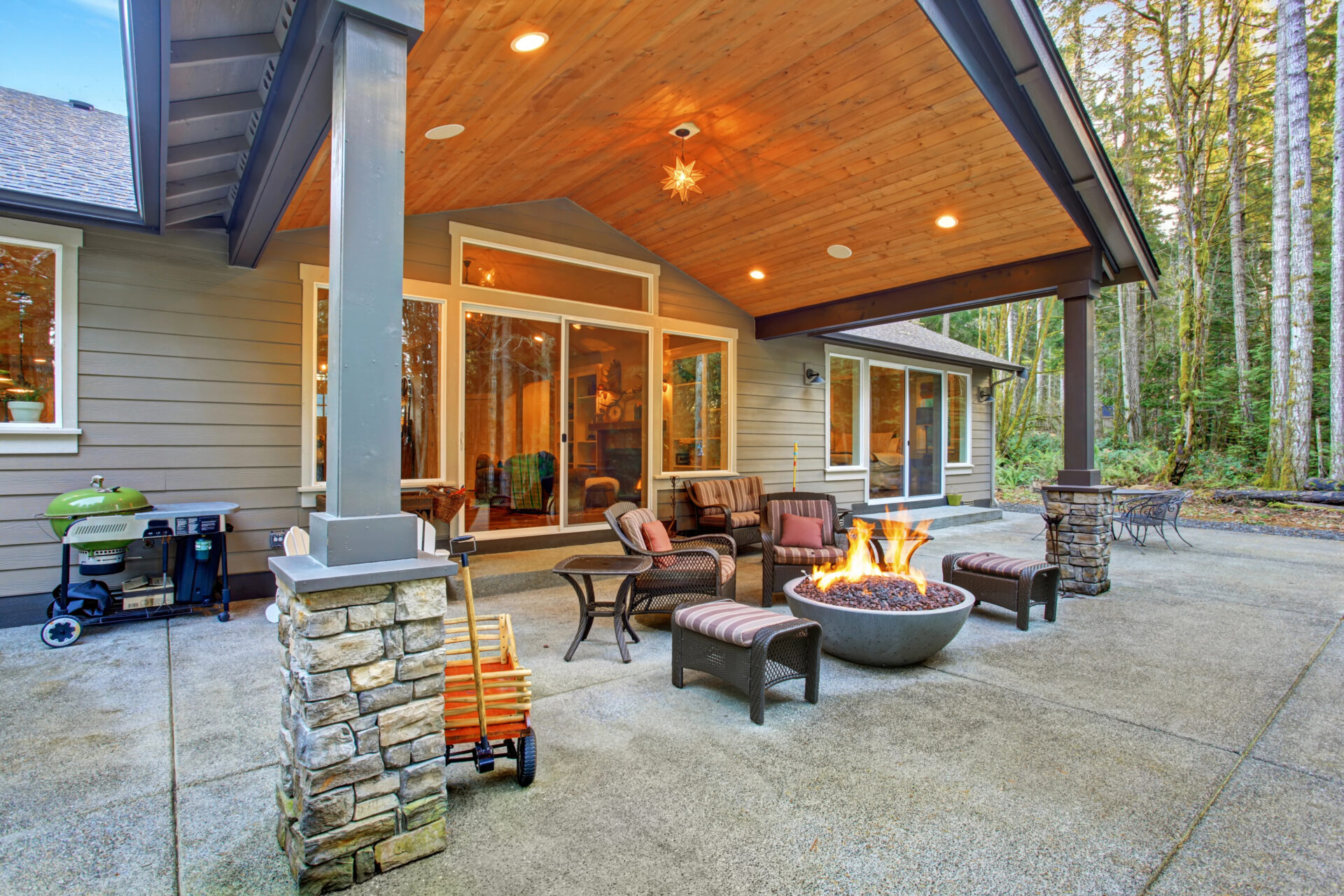
Do you like spending time outside but find yourself retreating indoors when it gets too warm? Consider having an insulated patio cover installed. Carolina Outdoor Designs can build a patio cover equipped with shingles and other features that complement your home beautifully. Our patio covers provide year-round protection from sun, rain, and weather while creating a comfortable outdoor living area you’ll use every season.
The Difference Between Patio Covers and Other Shade Solutions
Patio covers are permanent roof structures that provide comprehensive overhead protection for your outdoor space. Unlike awnings that retract or pergolas with open lattice roofs, patio covers create solid, weather-tight coverage that functions like an extension of your home’s roof. This permanent protection means your covered patio remains usable regardless of weather conditions—during rain, intense sun, or even light snow.
The structural nature of patio covers allows them to support additional features that temporary or open structures cannot. Ceiling fans can be installed to improve air circulation and comfort. Recessed lighting provides illumination for evening use. The solid roof can support the weight of these fixtures safely while protecting electrical components from weather exposure. This infrastructure transforms your patio from a simple outdoor area into a true outdoor room with the amenities you’d expect in interior spaces.
Patio covers also provide superior temperature control compared to open or fabric structures. Insulated roof panels reflect heat and provide thermal protection, keeping the covered area significantly cooler than exposed spaces. This cooling effect extends to adjacent interior rooms—windows and doors under the patio cover receive less direct sun exposure, reducing heat gain into your home. The result is a more comfortable outdoor space and lower cooling costs for your home.
Insulated Roof Systems
The roofing system is the heart of any patio cover, and insulated panels provide the best performance for residential applications. These engineered panels consist of a foam core sandwiched between aluminum skins, creating a lightweight yet incredibly strong roofing material. The foam core provides excellent insulation value, reflecting heat and keeping the covered area cooler than structures with metal or non-insulated roofs.
The insulation performance is measurable and significant. On a 90-degree day, a metal roof without insulation can reach surface temperatures exceeding 150 degrees, radiating heat downward and making the covered area uncomfortable. An insulated panel roof stays much cooler—often 30-40 degrees cooler than uninsulated alternatives. This temperature difference translates directly to comfort, allowing you to use your covered patio even during the hottest summer afternoons.
The panels are engineered for strength and durability. Despite being lightweight, they can support substantial loads including the weight of installers during construction, accumulated snow, and mounted fixtures like fans and lights. The aluminum skins resist corrosion, denting, and weather damage. The panels won’t rot, warp, or deteriorate like wood, and they require no painting or sealing to maintain their performance and appearance.
Installation of insulated panels creates a clean, finished appearance from below. The underside of the panels is smooth and uniform, typically in white or beige colors that brighten the covered space. This finished ceiling looks intentional and attractive, unlike exposed rafters or the underside of shingles. The result is a covered area that feels like an outdoor room rather than simply a roof over your patio.
Shingled Patio Covers
For homeowners who prefer traditional roofing appearance, shingled patio covers provide an option that matches your home’s existing roof. Using the same shingles as your house creates visual continuity, making the patio cover look like an intentional extension of your home’s architecture rather than an added structure. This cohesive appearance is particularly important for homes with prominent rooflines or in neighborhoods where architectural consistency is valued.
Shingled roofs on patio covers are constructed using the same methods and materials as house roofs. Plywood or OSB decking is installed over rafters, followed by underlayment and shingles. This traditional construction provides excellent weather protection and durability. The familiar appearance of shingled roofs appeals to homeowners who prefer classic aesthetics over the more contemporary look of panel systems.
The primary trade-off with shingled patio covers is thermal performance. Without insulation between the shingles and the space below, shingled roofs don’t provide the same cooling benefits as insulated panels. However, this can be addressed by adding insulation between rafters and installing a finished ceiling below. This approach combines the traditional appearance of shingles with improved thermal performance, though it adds to construction cost and complexity.
Maintenance requirements for shingled patio covers mirror those of your house roof. The shingles will eventually need replacement, typically after 20-30 years depending on the shingle quality and exposure. This long-term maintenance consideration should be factored into your decision, though many homeowners find the traditional appearance worth the eventual maintenance needs.
Roof Style Options
The roof style you choose for your patio cover affects both aesthetics and functionality. Different styles suit different home architectures and provide varying amounts of headroom and weather protection.
Gable Roof
Gable roofs feature two sloped sides meeting at a central ridge, creating the classic peaked roof profile. This style provides maximum headroom at the center and excellent water drainage. The peaked design is particularly effective at shedding rain and snow, preventing accumulation that could stress the structure. Gable roofs work well with most home styles and provide a traditional, finished appearance.
The height at the ridge allows for cathedral ceilings if desired, creating an open, airy feel in the covered space. This extra height also improves air circulation, as hot air rises to the peak rather than being trapped at head level. For homeowners who want their covered patio to feel spacious and open, gable roofs deliver that experience.
Hip Roof
Hip roofs slope on all four sides, creating a pyramid-like structure. This design provides superior wind resistance compared to gable roofs, as there are no large vertical end walls to catch wind. Hip roofs also offer a more finished appearance from all angles, with no exposed gable ends. This style works particularly well for freestanding patio covers or covers that extend beyond the house on multiple sides.
The four-sided slope means hip roofs shed water effectively in all directions. This comprehensive drainage prevents water from running off one side in concentrated streams, distributing runoff more evenly around the covered area. For larger patio covers, this drainage characteristic can be advantageous.
Shed Roof
Shed roofs feature a single slope, typically attached to the house at the high end and sloping downward toward the yard. This simple design is cost-effective and works well for patio covers that extend from the house. The single slope provides good drainage while maintaining a clean, simple profile that doesn’t compete with your home’s main roofline.
Shed roofs are particularly suitable for contemporary or modern home designs where simple, clean lines are preferred. The straightforward construction also makes shed roofs the most economical option, providing solid protection at the lowest cost. For homeowners prioritizing function and budget over architectural complexity, shed roofs deliver excellent value.
Support Structures and Posts
Patio covers require support posts or columns to carry the roof’s weight. The number, size, and placement of these supports affect both structural integrity and aesthetics. We engineer support structures to meet load requirements while minimizing visual obstruction and maximizing usable space under the cover.
Post materials include wood, aluminum, and composite options. Wood posts can be stained or painted to match your home’s trim, providing traditional appearance and versatility. Aluminum posts offer low maintenance and clean, contemporary aesthetics. Composite posts combine wood’s appearance with superior weather resistance and minimal maintenance requirements.
Decorative columns add architectural interest and can transform a basic patio cover into an elegant outdoor structure. Columns with capitals and bases create classical or traditional aesthetics. Tapered columns provide refined appearance without excessive ornamentation. The column style you choose should complement your home’s architecture—classical columns suit traditional homes, while simple square posts work better with contemporary designs.
Post placement requires balancing structural requirements with functional needs. Posts must be positioned to support the roof adequately, but they should also avoid interfering with furniture placement, traffic flow, or views. We plan post locations carefully during design, ensuring structural integrity while maximizing the usability of your covered space.
Attachment to Your Home
Most patio covers attach to the house along one side, creating a seamless connection between your home and the covered outdoor space. This attachment, called a ledger board, must be installed correctly to ensure structural integrity and prevent water infiltration into your home’s structure.
Proper ledger installation involves attaching a horizontal board to your home’s exterior wall, secured into the house’s framing with appropriate fasteners. Flashing is installed above the ledger to direct water away from the connection point, preventing moisture from entering your home’s wall cavity. This flashing is critical—improper or missing flashing can lead to water damage, rot, and costly repairs to your home’s structure.
The ledger must be level and properly positioned to ensure the patio cover roof has the correct slope for drainage. We use engineering principles to determine appropriate fastener size, spacing, and placement based on the roof’s dimensions and expected loads. This attention to detail ensures your patio cover is securely attached and will perform safely for decades.
Integrated Features and Amenities
One of the advantages of permanent patio covers is the ability to integrate features that enhance functionality and comfort. Planning these features during initial construction is far easier than adding them later, as electrical lines and structural support can be incorporated during building.
Ceiling Fans
Ceiling fans dramatically improve comfort in covered outdoor spaces by creating air movement that makes hot days feel cooler. The breeze from fans helps evaporate perspiration, providing natural cooling without air conditioning. Fans also help disperse smoke from grills and keep flying insects moving rather than settling on people and food.
Installing fans during patio cover construction allows us to run electrical lines hidden within the structure and provide proper structural support for fan mounting. Fans designed for outdoor use are damp-rated to withstand humidity and occasional moisture exposure. Multiple fans can be installed in larger covered areas to ensure adequate air circulation throughout the space.
Lighting
Integrated lighting extends the usability of your covered patio into evening hours. Recessed can lights provide general illumination for dining and entertaining. Pendant lights over specific areas create task lighting and visual interest. String lights or LED strips add ambiance for relaxed evening gatherings.
Planning lighting during construction allows for proper electrical rough-in and ensures fixtures are positioned optimally. We discuss your lighting needs during design—how you’ll use the space in the evening, whether you want bright task lighting or subtle ambiance, and any specific areas that need focused illumination. This planning ensures your lighting system meets your needs while maintaining a clean, finished appearance.
Electrical Outlets
Convenient electrical outlets in your covered patio area support various uses—powering speakers for music, charging devices, running small appliances, or connecting decorative lighting. Installing outlets during construction is straightforward, while adding them later requires surface-mounted conduit or extensive work to hide wiring.
We typically recommend at least one outlet in covered patio areas, with additional outlets for larger spaces or specific planned uses. GFCI-protected outlets provide safety in outdoor environments where moisture exposure is possible.
Drainage and Water Management
Proper drainage is essential for patio cover performance and longevity. The roof must be sloped adequately to shed water—typically a minimum of 1/4 inch per foot of run. This slope ensures water flows off the roof rather than pooling, which could cause leaks or structural stress.
Gutters and downspouts manage the water that runs off your patio cover roof, directing it away from the covered area and your home’s foundation. Without gutters, water sheets off the roof edge, creating a curtain of water that makes the covered area unusable during rain and potentially causing erosion or foundation issues where water concentrates.
We size gutters appropriately for your patio cover’s roof area and Charlotte’s rainfall intensity. Undersized gutters overflow during heavy rain, defeating their purpose. Downspouts are positioned to route water to appropriate drainage areas—away from foundations, toward yard areas that can absorb runoff, or to underground drainage systems if needed.
Building Codes and Permits
Patio cover construction requires building permits in most municipalities. These permits ensure structures meet safety standards for wind loads, snow loads, and proper construction methods. We handle all permit applications, working with local building departments to obtain necessary approvals before construction begins.
The permit process includes plan review and inspections. Building departments review our plans to verify they meet code requirements for structural adequacy, setbacks from property lines, and other regulations. Inspections during construction verify that work is being completed according to approved plans and code standards. Final inspection approval confirms your patio cover is built safely and legally.
This permitting process protects you as the homeowner. It ensures your patio cover is structurally sound and won’t create liability issues. It provides documentation that work was done properly, important for insurance purposes and future property sales. While permits add time to the project timeline, they’re essential for legal compliance and your protection.
Investment and Long-Term Value
Patio covers represent a significant investment that provides returns in multiple forms. The immediate benefit is expanded, usable outdoor living space that functions in all weather conditions. You gain a comfortable area for dining, entertaining, and relaxation that you’ll use far more than an uncovered patio.
Energy savings accumulate over time as the patio cover reduces heat gain through adjacent windows and doors. The shade provided by the cover means your air conditioning system works less to cool rooms adjacent to the covered area. These savings continue year after year, offsetting the initial investment over the structure’s lifetime.
Property value increases are another consideration. Covered outdoor living space appeals to buyers and can differentiate your home in competitive markets. The functional square footage added by a quality patio cover often provides good return on investment when you sell. Even if you don’t plan to sell soon, knowing your home’s value has increased provides financial security.
The true value, however, comes from years of use and enjoyment. Family gatherings, quiet mornings with coffee, evening dinners—these experiences accumulate over the decades your patio cover serves you. When you invest in a quality patio cover from Carolina Outdoor Designs, you’re investing in your lifestyle and your enjoyment of your home.
Ready to Create Your Covered Outdoor Space?
Contact Carolina Outdoor Designs today to schedule your complimentary patio cover consultation. We’ll discuss your vision, assess your property, and provide a detailed estimate for a patio cover that transforms your outdoor living experience. Let us show you how a professionally built patio cover can provide year-round comfort and protection at your Charlotte or Western NC home.
MORE OFFERINGS
Related Services
- Elegant Outdoor Structures
Pergolas
Latticed structures add tremendous visual interest while providing dappled shade. Extensive column, beam, and color options create your ideal design.
View Pergolas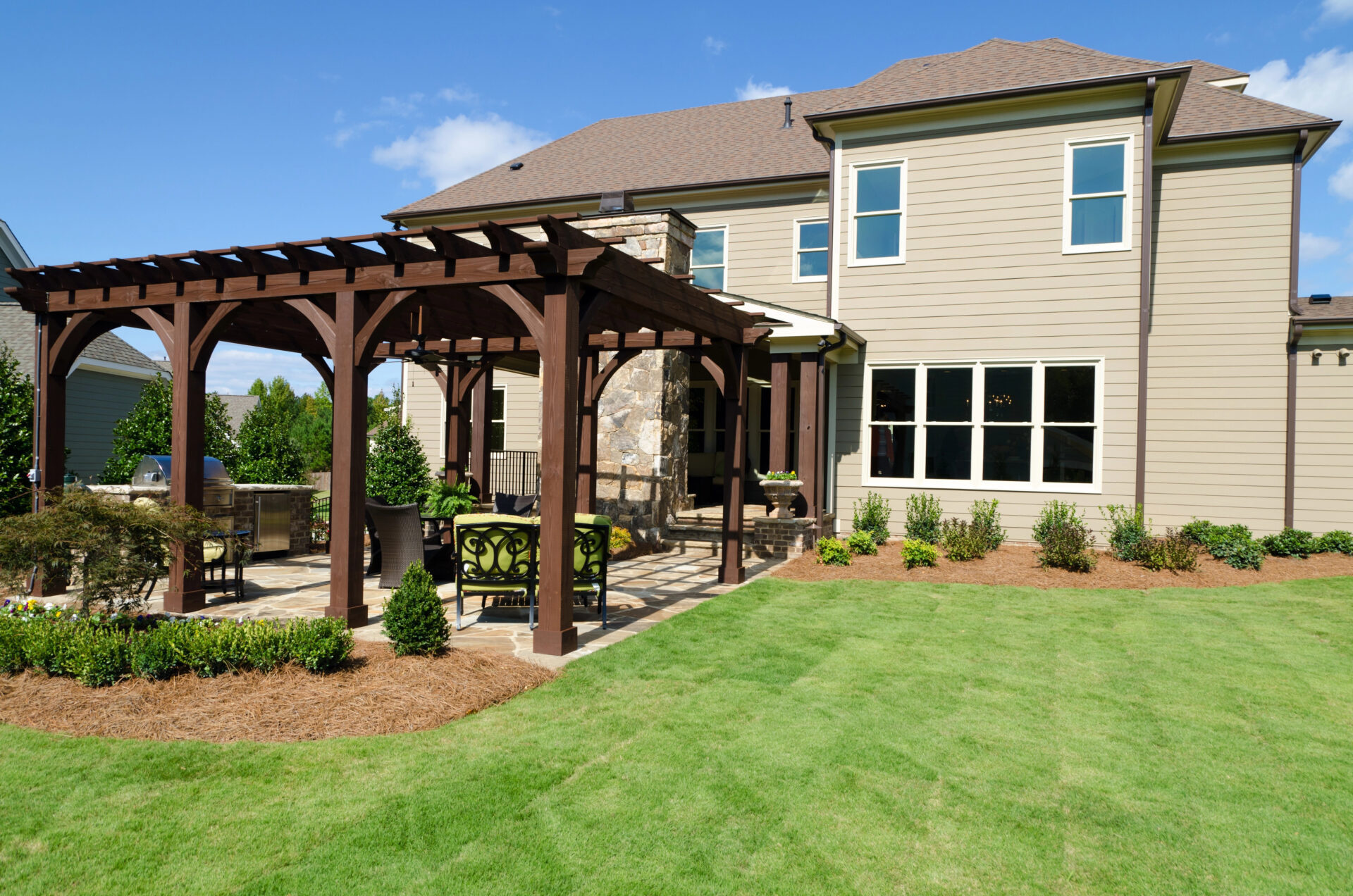
- Protected Outdoor Spaces
Screen Enclosures
Shield yourself from insects while feeling fresh breezes. Attractive screen rooms with insulated roofs keep you significantly cooler in warm weather.
View Screen Enclosures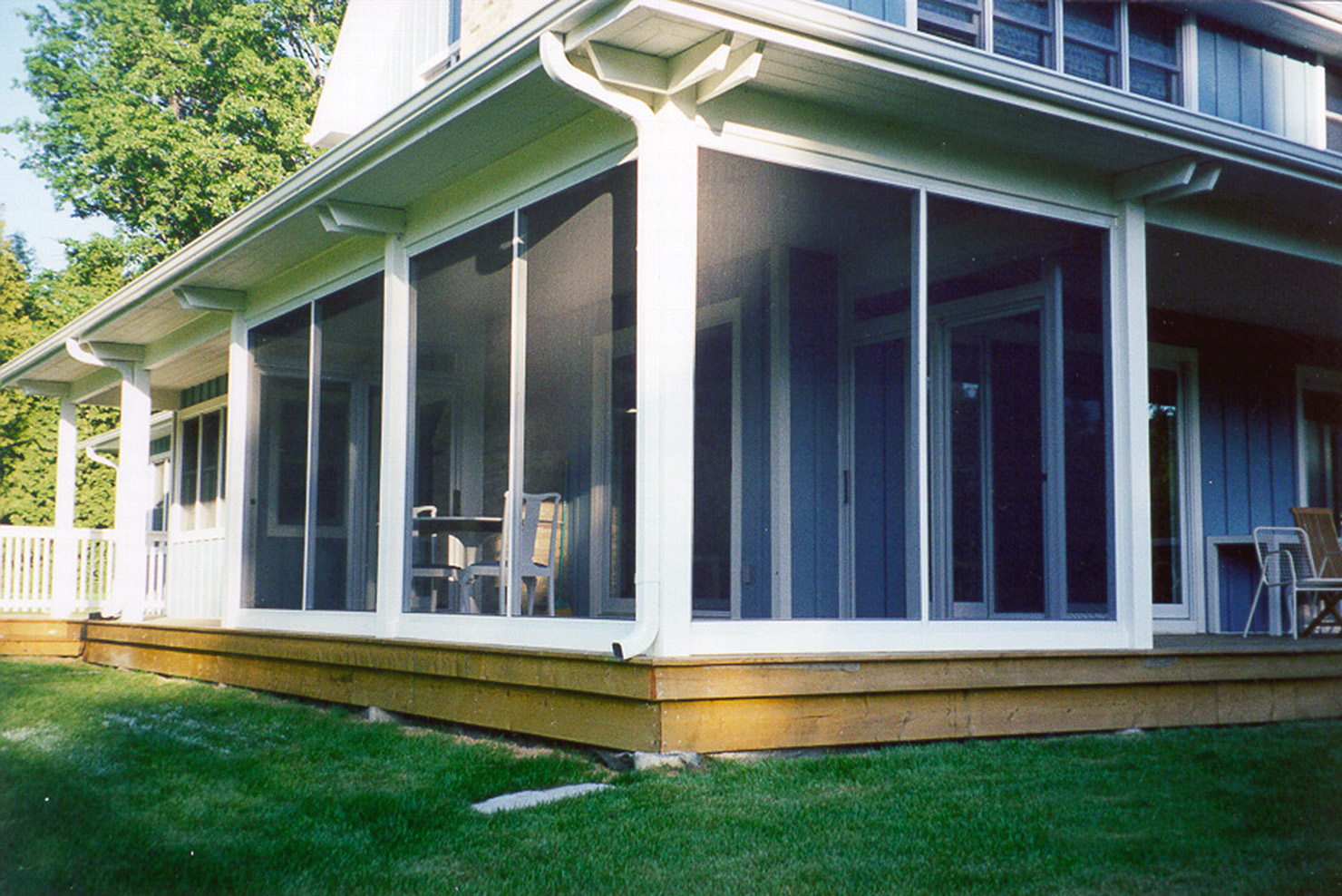
- Retractable Shade Solutions
Awnings
Switch between sun and shade by pressing a button. Extensive fabric designs ensure your awning looks amazing on your home.
View Awnings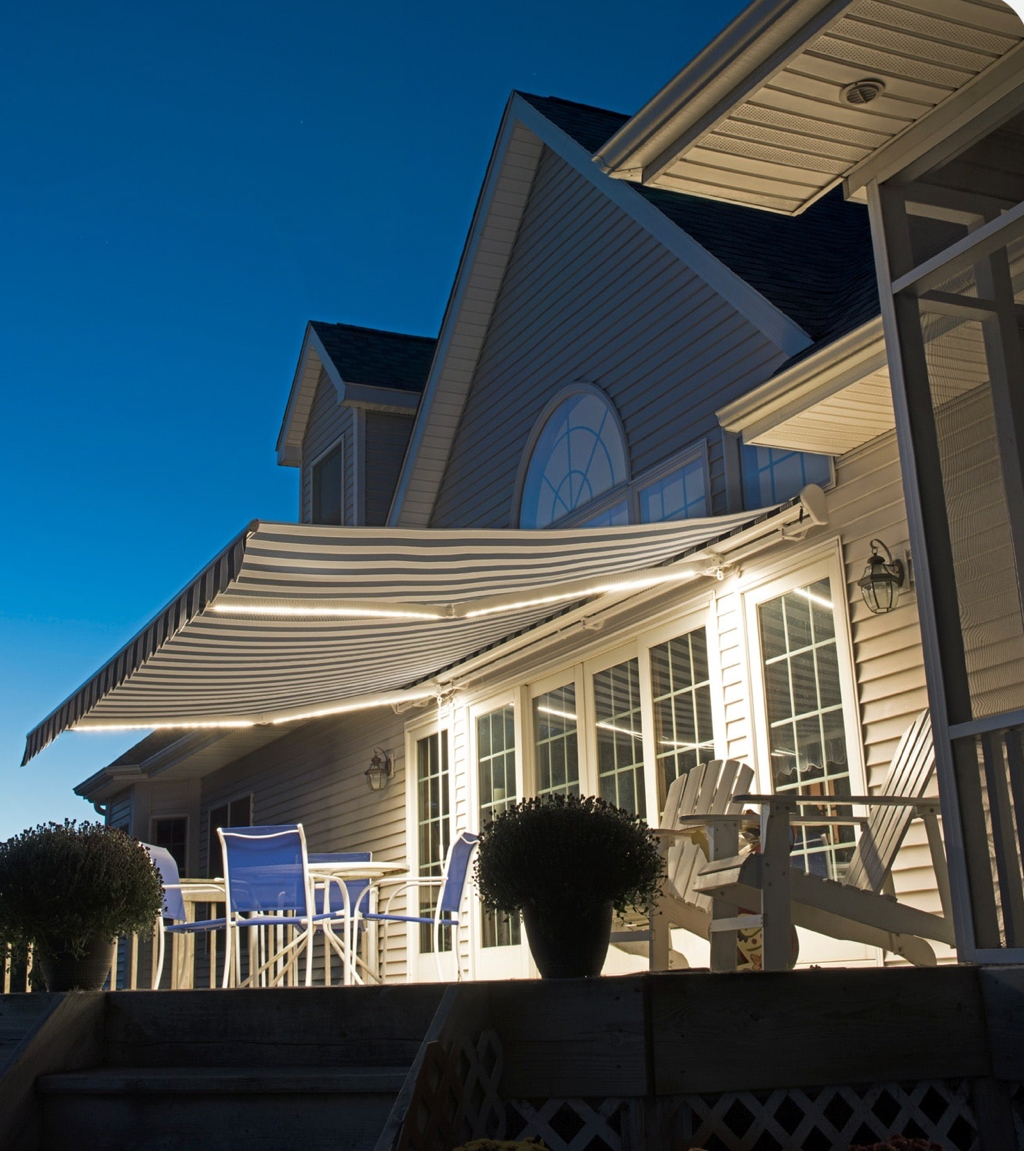
HOW WE HELP
Our Process for Your Sunroom or Outdoor Living Project
We believe great results come from clear communication and careful planning. Here's how we make each project seamless:
Custom Consultation & Design
We start with an on-site visit to understand your vision, your home’s architecture, and how you want to use your new space. From there, we create a custom design tailored to your lifestyle and budget — no cookie-cutter solutions.
Local Permits & Planning
We handle all the paperwork, engineering drawings, and permit submissions required by Charlotte and Shelby area municipalities — so you never have to chase down a building department. Our local expertise means your project stays compliant and on schedule from day one.
Expert Construction & Installation
Our factory-trained installers get to work using premium, weather-resistant materials built to handle the Carolinas’ climate year-round. Every detail is supervised to meet our high standards for craftsmanship, safety, and durability.
Final Review & Warranty
Before we consider the job done, we walk through the finished project with you to make sure every detail meets your expectations — and ours. Your investment is backed by a 2-year no-questions-asked labor warranty and a transferable lifetime product warranty for total peace of mind.